DeKalb County School District’s (DCSD) enrollment has recently decreased, and it is only projected to continue following this trend. In response, DCSD proposed the School Assignment Project (SAP), offering solutions through buildings, boundaries, and programs.
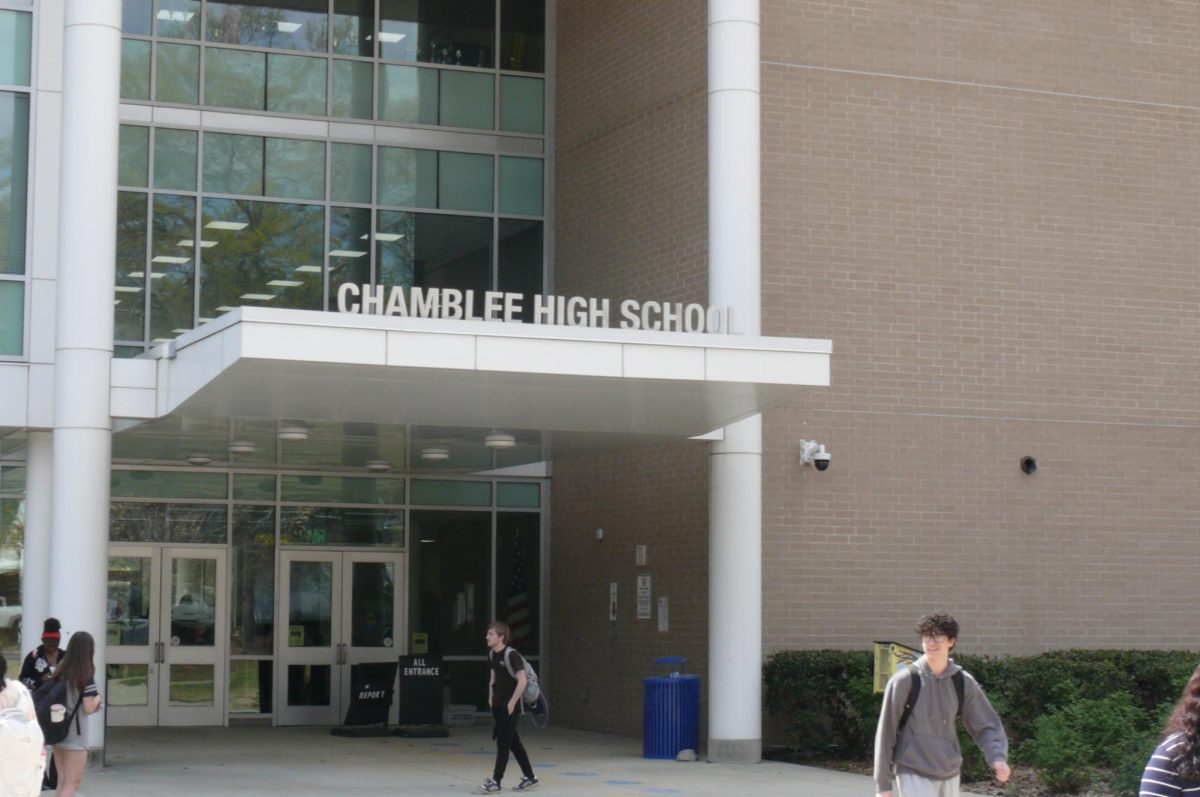
According to DCSD, the district is built to serve approximately 110,000 students; however, there are only 92,000 students currently enrolled. This means there are around 20,000 empty seats across DeKalb schools. While some schools are well below capacity, others schools, such as Chamblee High School, are operating over capacity. Currently, there are 1,867 Chamblee High School students enrolled, while the school’s capacity is 1,705. The project aims to adjust school assignment and resource allocations to ensure that each DeKalb school is operating at maximum efficacy.
Due to the scale of the project, it can be difficult to fully comprehend at first glance. To understand SAP and its current phase, it is important to understand the committee behind SAP. Jonathan Goldman, the Director of Communication for DCSD, explained how the committee was decided.
“The SAP committee is made up of 150 different people from around the community. They’ve been meeting for about two years. In February, we entered this feedback phase where we began to provide scenarios to the public and the community as a way to partner in conversation and in solution with them,” said Goldman.
After the community feedback was collected from the first scenario, a second scenario was released, and feedback was accepted until April 12th.
Chamblee High School falls into DeKalb’s “north cluster.” So far, no actual changes have been proposed pertaining to CHS, as seen in the Round Two Scenarios. However, there are significant changes proposed to the elementary schools that feed into Chamblee HS. Ashford Park Elementary School has been proposed to be repurposed as an Early Learning Center or Special Education Center due to its small capacity of 480 students. As a result, current Ashford Park ES students would attend John Lewis ES, Huntly Hills ES, Nancy Creek ES, or Montgomery ES. In this case, students reassigned to John Lewis ES would eventually feed into Cross Keys High School.
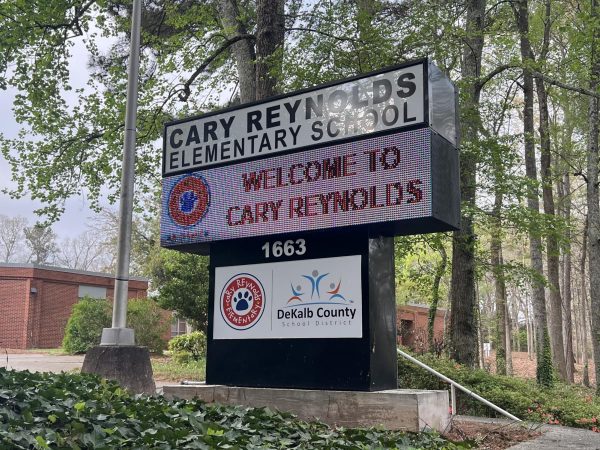
Additionally, grade configuration has been brought up in proposals. For the CHS cluster, this would entail students going to Ashford Park ES, Huntly Hills ES, and Nancy Creek (Cary Reynolds) ES from Pre-K through 3rd grade, and Montgomery ES for 4th and 5th grade.
After pushback from the first round of feedback, the SAP Committee reexamined parts of the plan and included options to expand Ashford Park ES, which would involve buying more land.
While these changes to elementary schools may not seem important to highschoolers, these changes could impact Chamblee High School teachers with children in elementary school. Ms. Mallory Clark worries about her kids at Evansdale ES, a feeder school to Lakeside HS in the central cluster of DeKalb.
“I think that elementary school is the point in parents’ lives where we are very connected to their kids’ education, and the further we are from those facilities, I think, the less likely we will have parent participation,” said Ms. Clark. “I don’t want my kids to go to a school that’s a mile and a half or two miles away. We expect that for middle school and high school, but we do not expect that for elementary school.”
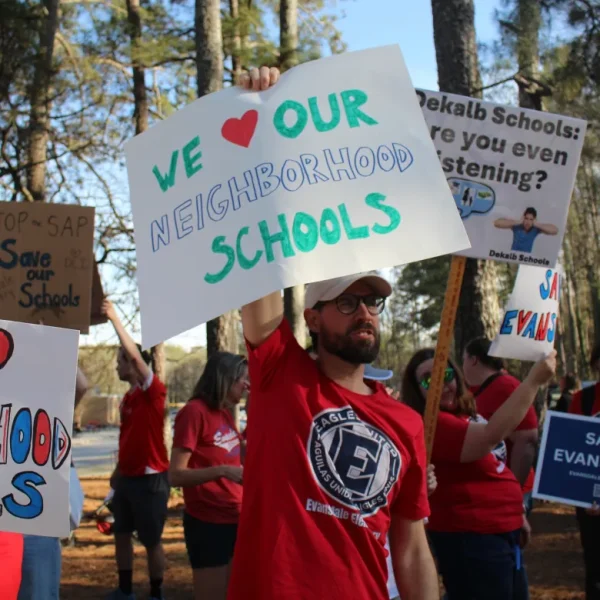
Similar to Ashford Park ES, Evansdale ES has been proposed for closure or repurposing, moving students to nearby schools and splitting up Kindergarten-3rd and 4th-5th grade. The effects of larger grades in elementary schools are another concern facing parents such as Ms. Clark.
“Being in a smaller environment with people that you know, love, and trust feels more homey. You’re creating a culture where kids enjoy school, and we want them to [keep] loving school until they’re in 12th grade, and then hopefully they’ll go to college or find something else that they love. But it all starts with their experience in elementary school,” said Ms. Clark.
DeKalb understands the complexity of the current situation, and it is actively reviewing feedback on the proposals.
“We understand why this is such a process, but that’s why having more voices in the process and in the program is important,” said Goldman. “We’re listening to everybody, not just parents, not just students, but also community members and staff. Everyone is very invested, but I think remaining focused on what’s best for students in terms of opportunities, access, and resources is something that everyone can agree on.”