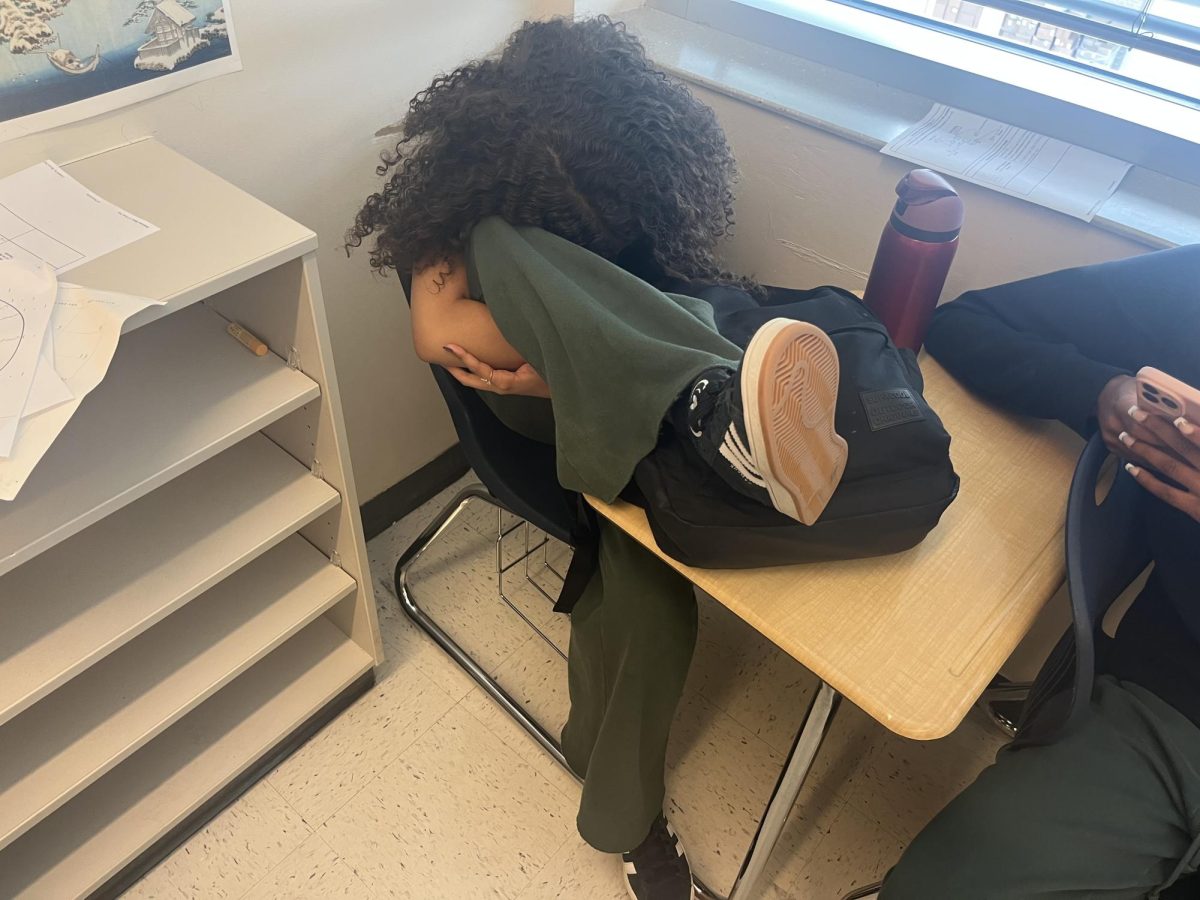
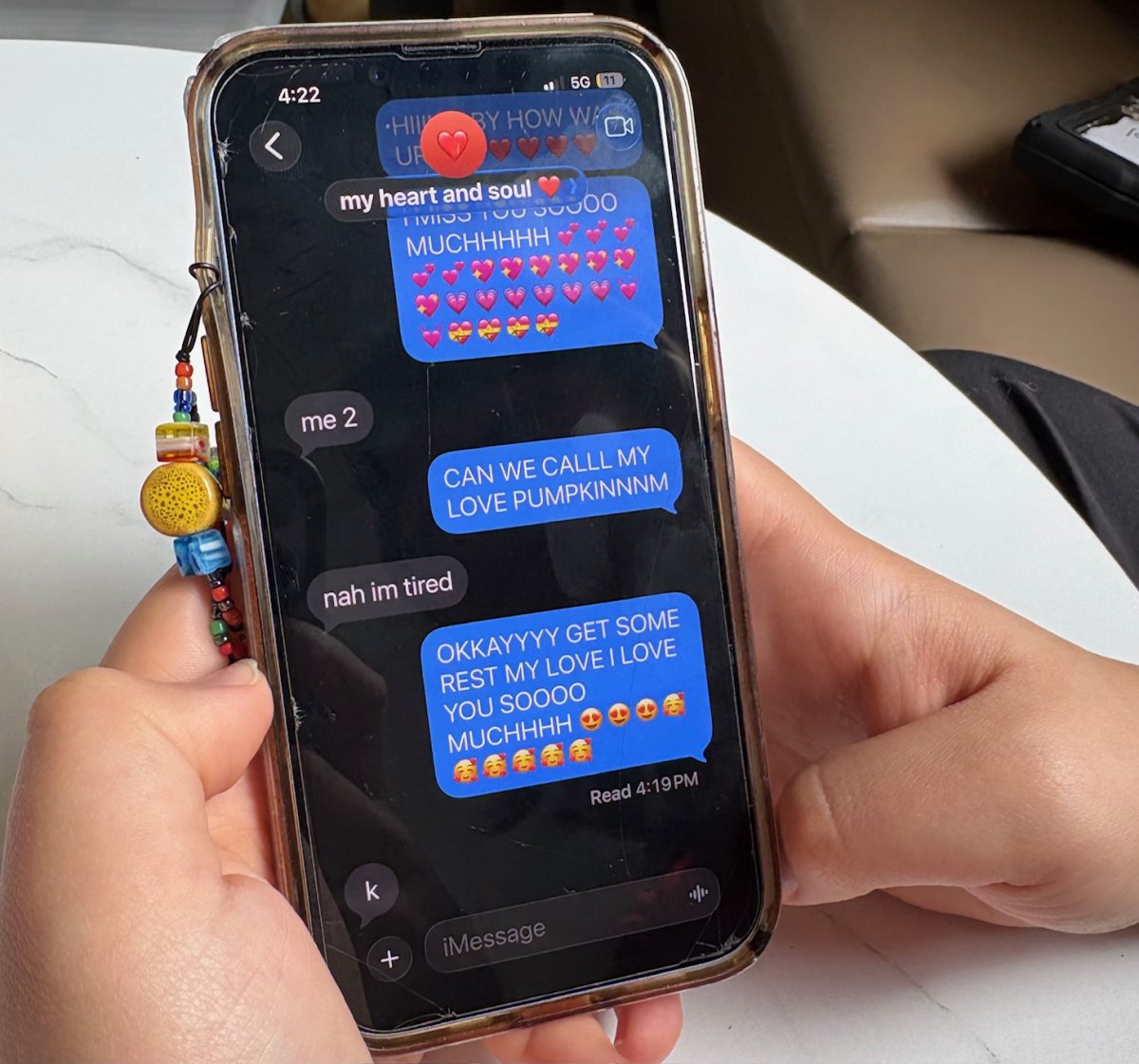
I’m a hopeless romantic. From actions as little as keeping flowers until they wilt and dry out into floral skeletons, to squealing and kicking my feet at the thought of my friends getting into relationships, I have and always will be overcome by the beauty of love. Despite this, I was never into the whole “dating in middle school” debacle, and crushes were just a mere pastime. It wasn’t until I entered high school that it became clear to me how relevant romantic culture was. Suddenly, relationship buzzwords like “situationship” and “two-man” were on the lips of every teenager. It became human nature to flirt with someone through Snapchat Streaks. Getting a boyfriend seemed to become an operation with 50 different checkpoints. Everyone is either “anxiously attached” or “anxiously avoidant,” which is the only explanation to why your open-long-distance-friends-with-benefits-situationship-talking-stage didn’t work out. Needless to say, high school romance was nothing like I dreamed it would be.
As I progressed through high school, I naturally got into relationships of my own, and (not to brag) they were all fortunately somewhat healthy. Of course, no relationship –especially high school relationship– is perfect, but as I heard more and more horror stories about other toxic relationships around me, I realized that I’m in the minority of teenagers with no heavy-hitting relationship trauma. It makes me feel like a spectator and a bystander to all of these toxic relationships that my friends and peers experience, but it took me a long time to understand this.
When I was in relationships, I would constantly compare my partners to other people’s partners. I would see my friends getting the ideal treatment –the treatment I wanted and thought I deserved– and I would set unfair and unrealistic standards for my partners who were, for the most part, trying their best. The irony was that some of my friends’ partners were actually exponentially worse than mine, but I just couldn’t tell because I was watching them from an outside perspective. Some of those friends had to battle unnecessary battles of abuse, cheating, and manipulation, and fight twice as hard to escape toxic relationships, compared to just letting go of a healthy one. This epiphany made me gracious for the good hurt –the hurt that taught powerful lessons– and scared for the traumatic hurt that I watch people experience.
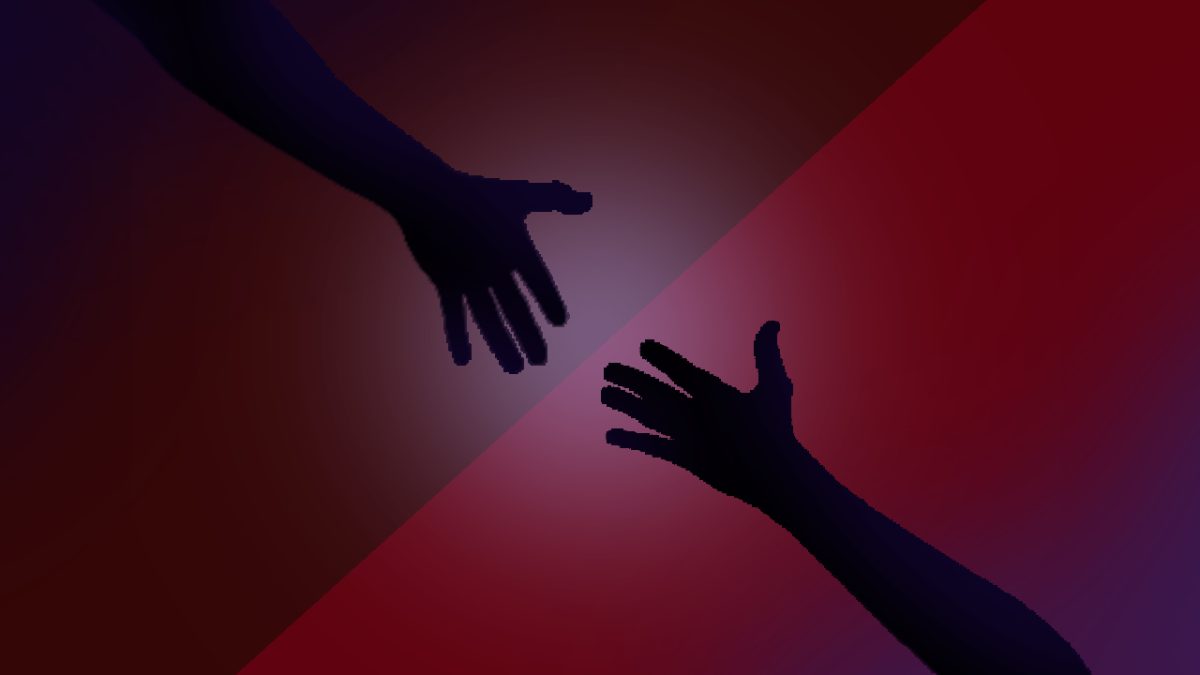
Which brings me to the worst thing about high school relationships: the inevitable breakup (dun dun DUNNN). Everyone hopes to be the one couple that survives the curse of high school and the transition to college, but only few make it out alive. The fear of breakups is what fuels the toxicity in some relationships because we are more afraid of the pain of leaving our partner than staying with them. I experienced this frustrating phenomenon when I would try and convince my friends to rebel against the dictatorship of toxic romance and realize that –yes, while more difficult to face– it is actually so much better on the other side. Still, what held most of them back was the comfortability of a relationship. “Yes, Dylan may have left me with literal and metaphorical scars, but it’s better than…ugh…I can’t even bring myself to say it…m-m-moving on!!!” (If your name is Dylan please let it be known that this fictional quote is not targeted at you…probably.)
The biggest factor that weighs the modern perspective of relationships is commitment, whether it’s an abhorrence for it or a yearning for it. There are people who can’t bear the vulnerability of a partner, and there are people who believe that their freshman year homecoming date is going to be their lifelong soulmate, with roughly an in-between. This is what every relationship teeters on, and often plummets off of, and it festers on immaturity. It’s immature to reject emotional vulnerability in a relationship, and it’s immature to expect an abundance of it. However, there shouldn’t be shame to this immaturity. We all have it, and it’s important to realize that in order to stabilize it.