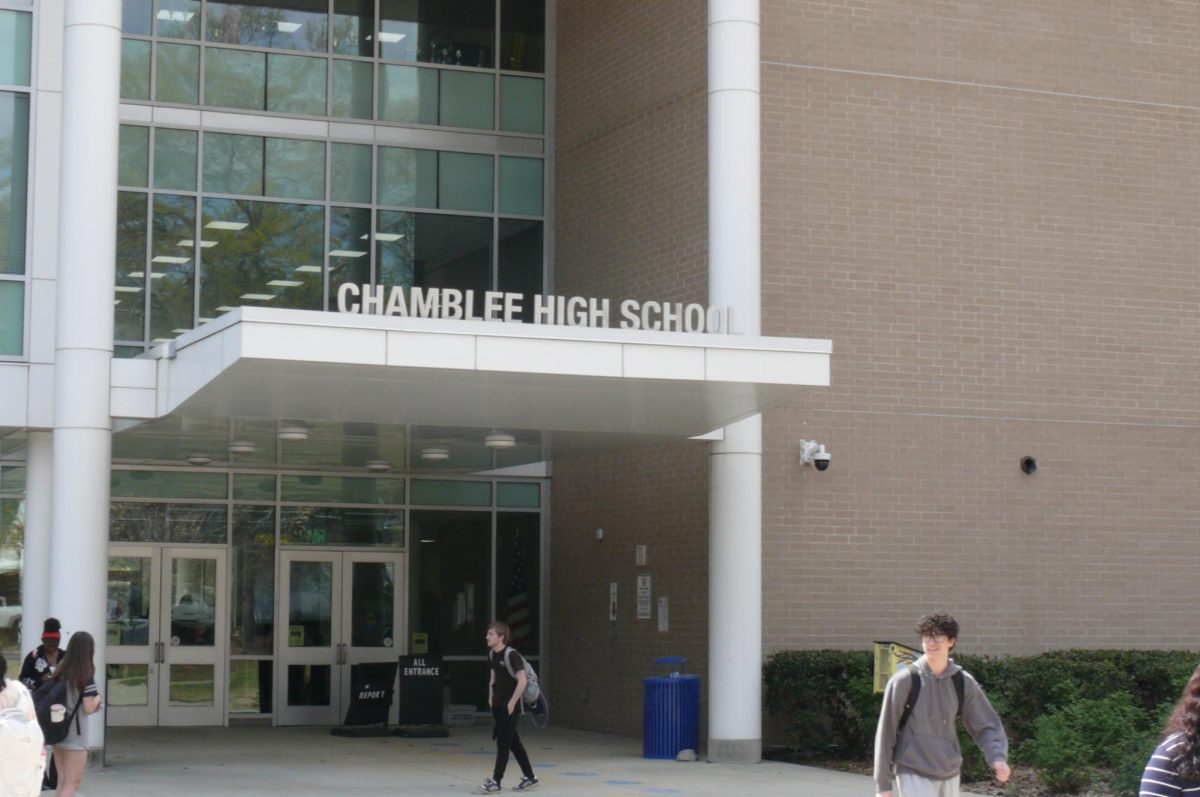
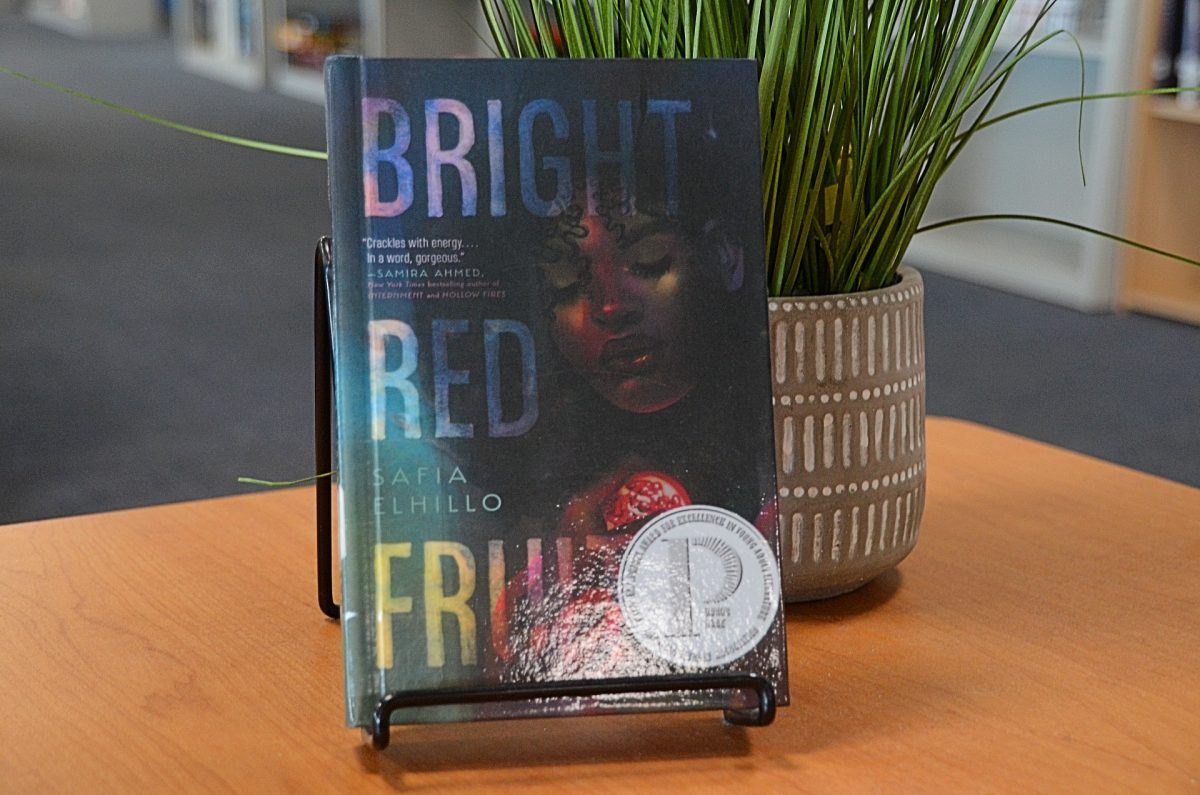
Many students at Chamblee High School spend their after-school hours on a field, track, or court, participating in a variety of sports sponsored by the school. However, for some students, their activity features quick thinking, buzzers, and most importantly, books.
The Reading Bowl club comprises a group of 15 students, all ranging from freshmen to seniors, with four student leaders. Ms. Christine Holland, Chamblee High School’s librarian and club sponsor, helps organize and lead the students.
“The main goal is to get first place in the county, then move on to regional competitions, and then move to state championships, while also having fun,” said Holland. “For the first two months, everybody reads all the books. Later, we’ll use the clickers and start practicing questions with Jeopardy.”
As with any sport or club, time is precious, and many students strive to balance their schoolwork with other activities.
“The only book I’ve read this year has been for class, which was in August. I’m falling behind, which is bad because I’m one of the leaders of Reading Bowl,” said Ronit Nemenman (‘26). “In general, I usually read for at least six hours a week and read about four or five 300-page books a month. This year, it’s been hard to read with the limited amount of free time I have.”
Despite the demanding list of books to read, students understand the importance of the club and their goal.
“At first, I had a hard time enjoying the books that I was required to read. There are many excellent books on the list, but I don’t like feeling forced to read something. But I’ve also found some of my favorite books through the reading bowl,” said Jace Trotti (‘26).
Offering a wide variety of required books, some students have enjoyed reading books they otherwise would not have picked up.
“One of my favorite books this year was Sky’s End. It’s a combination of both coming-of-age and young adult fantasy,” said Asa Bell (‘26).
A thorough process is used to select books for the Reading Bowl, involving numerous educators from around the state.
“County librarians vote on their favorite books for the elementary, middle, and high school levels. I believe there are ten elementary books, ten middle school books, and 20 high school books that are nominated for the Georgia Peach Awards, which are then chosen for the books that are used for the reading bowl,” said Nemenman.
This year, controversy arose when choosing books for the Reading Bowl. Many pieces of literature were initially banned by DeKalb County, including This Book Won’t Burn by Samira Ahmed, a favorite among many librarians.
“Most books were removed because of content, such as sexual orientation, drug use, or racism. Many students, parents, and teachers responded to the removal of the books, and then they were put back into the system and competition,” said Holland.
Students of the club also expressed their concerns about the issue of banning books and its impact on them.
“I’m very against banning books, because a lot of times, the ones that are banned are queer books,” said Trotti. “I feel like that isolates queer youth because they’re seeing their safe spaces get taken by the government, and now school libraries aren’t allowed to carry these books. In my opinion, if we examine history, book banning has been a characteristic of unhealthy societies. In trying to shield children from the real world, you end up isolating the ones that actually seek help from the books.”
Despite the ban, Reading Bowl members continue to practice, acknowledging the most difficult aspects of competitions. From characters’ names to setting locations, students face extreme questions while the clock is ticking.
“The questions asked in the reading bowl are particular. Last year, a question asked what food a particular character bought at a fair,” said Claire Otte (‘28). “I believe the answer was turkey or chicken legs.”
Throughout the challenges, the Reading Bowl has proven to be both fun and encouraging, motivating many students to read in the club, and hopefully, outside.
“It takes a special personality to be a part of the Reading Bowl, and I recognize that these students love to read, even when they don’t have enough time during the day. I try to encourage students to read by displaying books and promoting DEAR (Drop Everything And Read) time,” said Holland.