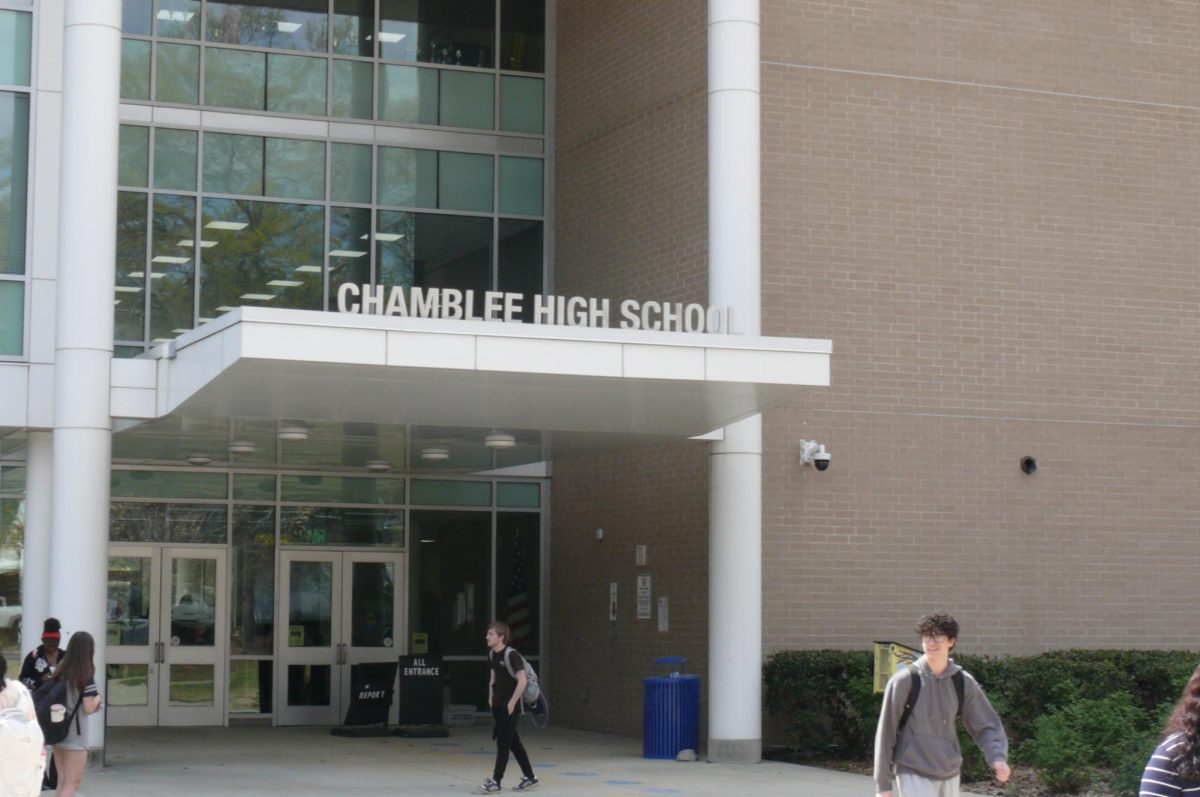
Students in high school often carry heavy burdens, with homework, exams, and decisions about their future all adding to their stress, but one thing exacerbates this to another level: employment. Students as young as freshmen might get a job to pay for excursions with friends, transportation, and hobbies while learning life skills in the process, and Chamblee High School is no different. Jobs give students an early look at responsibility, and can shape their decisions after high school.
“I think it’s pretty important for the work experience and the actual money, but especially for the former, because if you get experience, that’s going to impact the rest of your life,” said Liam Leichle (‘28), a children’s French tutor.
Another way jobs can help students is by allowing them to make decisions within a supportive setting, with parents and friends ready to help out in case a problem arises.
“It’s super beneficial to learn the skills that come with having a job before you become an adult, just because it’s nice to have some experience before you’re on your own,” said Kirsten Gabriel (‘26), a cashier.
Many students also use their jobs as learning opportunities, teaching themselves skills that may come in handy in the future.
“It’s taught me how to react well under pressure, better communication, budgeting skills, and how to spend and save my money,” said Elizabeth Gamba (‘27), a lifeguard.
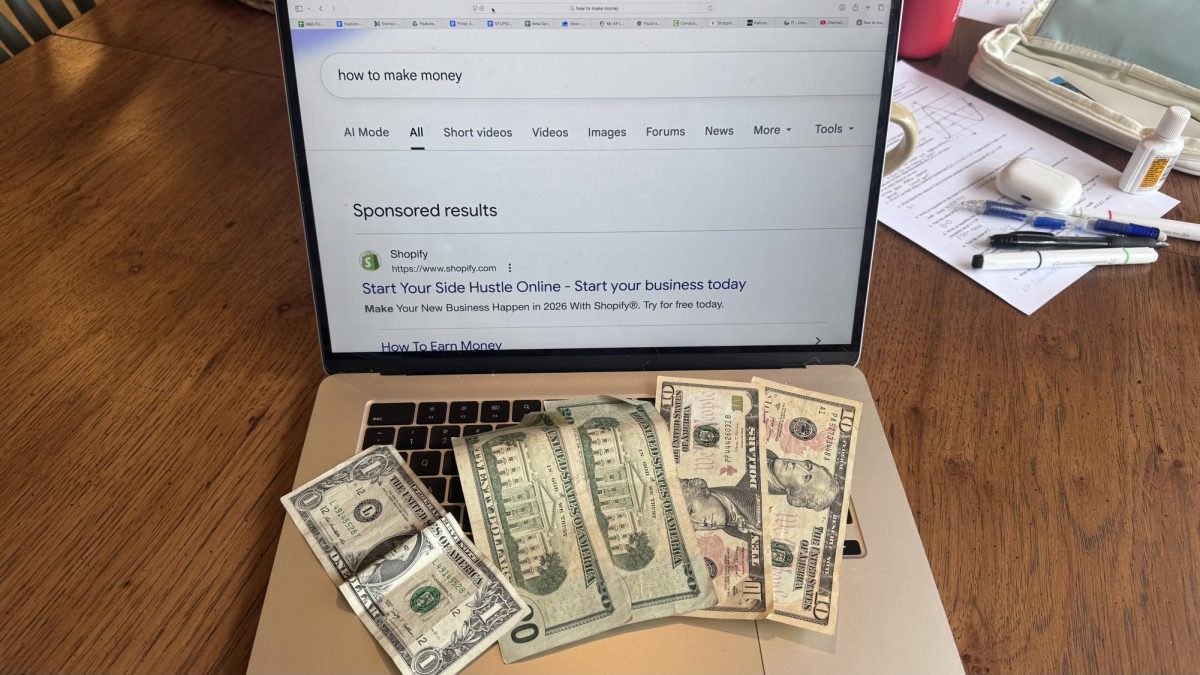
Despite this, some students think the income from a job is the most important factor when deciding if working is necessary for them.
“I wanted to make money so I could go out and buy things on my own without having to feel guilty about leeching off my friends or parents,” said Gabriel.
For many students, their job plays a large role in keeping up with their everyday life.
“Normally, I just had my birthday money, but now [the money from work] is important because I needed to pay for gas, so my income basically gives me the ability to drive,” said Gamba.
However, the money is only a bonus for some.
“It’s not very important; I just save my money or waste it on stuff I don’t need,” said Leichle. “I thought it would look good on my resume for colleges… so that’s the main reason I got a job.”
All but one of the students interviewed got their first job at the age of 15, often because of pressure from their parents.
“My parents were trying to force my sister and I to get jobs… so that we would learn the skills that come with having a job,” said Gabriel. “Of course, they love that I can make my own money.”
Parents also have a large impact on how often students can work, especially for students who can’t drive yet.
“It makes it tricky because I have to make sure my parents always know my work schedule and make sure they can work with it,” said Peter Vrazel (‘28), a lifeguard.
For some high schoolers, getting a driver’s license has greatly increased their job flexibility. This allows students to have more control over their schedule and can work based on their own timetable.
“Being able to drive made it ten times easier to get to work, because now I can work any day of the week as long as I can get there in the first place,” said Mason Weiss (‘26), a worker at Moe’s.
Although with all of the opportunities that a job can create, school is still a top priority for most students.
“[Work is] typically the first thing that goes when I start to get a lot of homework,” said Vrazel. “I try to stop picking up shifts whenever school gets busy, because if it is busy, it significantly increases stress.”
For many, jobs can also interfere with social life, although they can generally be planned around.
“During the summer, it affects when I hang out with friends, but I quit my job during the school year, so it doesn’t affect my schoolwork,” said Gamba.
In the face of the dedication required to maintain a part-time job, some students feel that colleges often overlook the importance of working in high school.
“Some people don’t recognize the amount of effort that some people put into their jobs, especially in the college admissions process where it’s all about what extracurriculars you participated in,” said Weiss. “I think having a job should be equally important.”