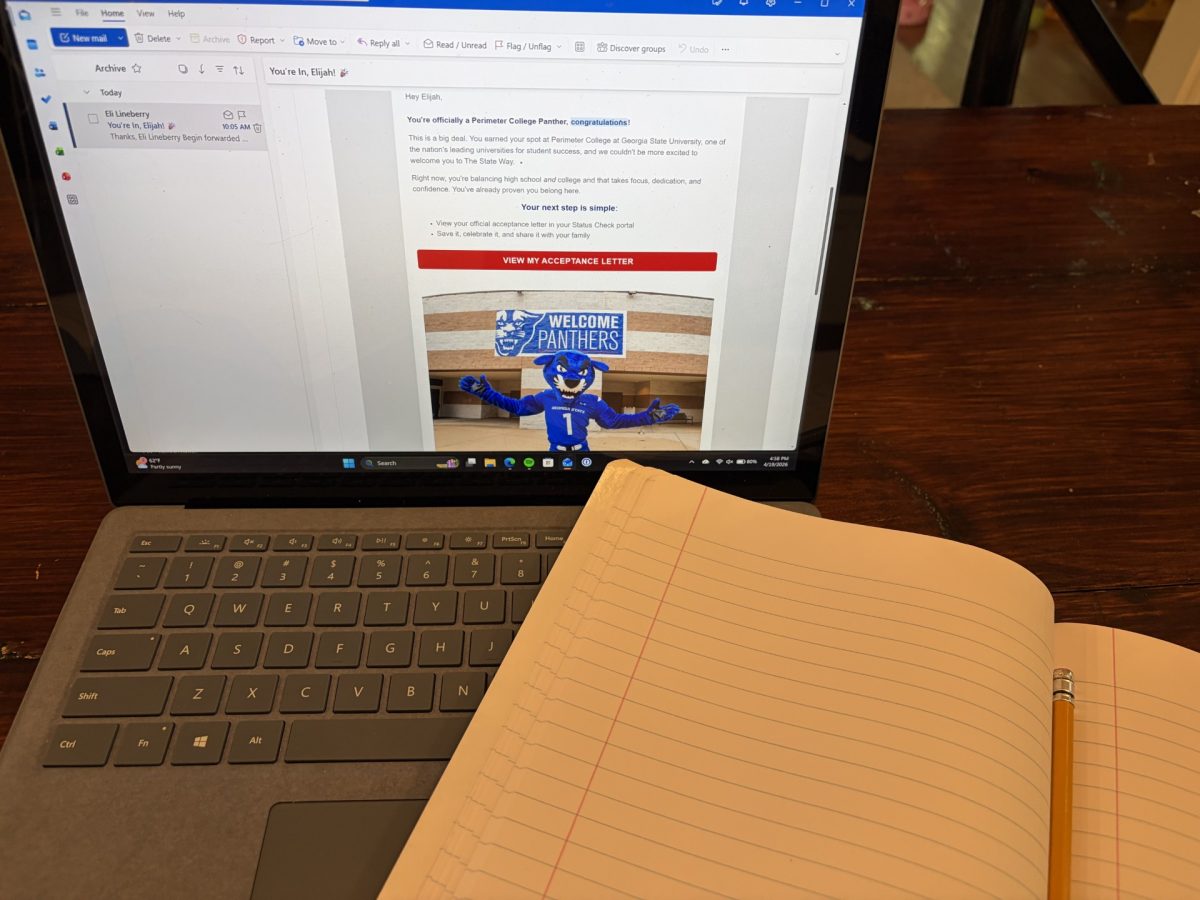
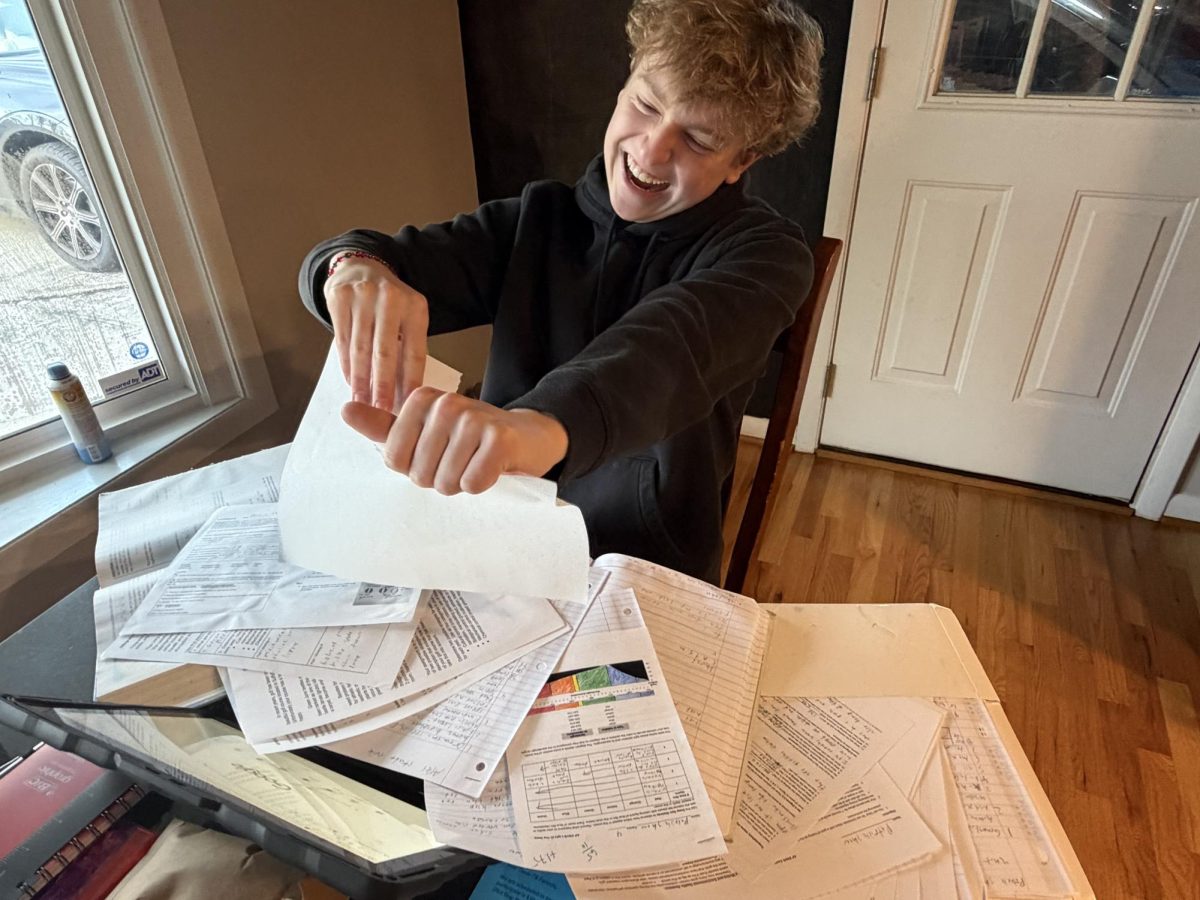
As graduation approaches for the Class of 2026, many seniors find themselves at a crossroads: to do their work and keep working hard in school or to coast their way into their after-high-school plans. This isn’t new, and there’s even a term for it: “senioritis.” As defined by Mariam Webster, “senioritis” is “an ebbing of motivation and effort by school seniors as evidenced by tardiness, absences, and lower grades.” Since by second semester, most seniors are already enrolled in college or have a post-high-school plan, the motivation for school can be lacking.
For some students, this shift in motivation can come from the security of knowing their path.
“I think it’s that [students] don’t want to do something that doesn’t matter to us anymore,” said Ryan Shimabukuro (‘26). “We have the safety of already having our plan after high school, so it’s okay to just stop and not have major consequences for doing that.”
Some teachers also believe that senioritis is a normal part of the final semester and can be managed.
“I think it’s natural since they’re pretty much ready to wrap up the school year, and they’re focused on college,” said Mr. Hakim Felts. “Seniors should make sure they don’t flunk out in the second semester even though it may not be their best effort.”
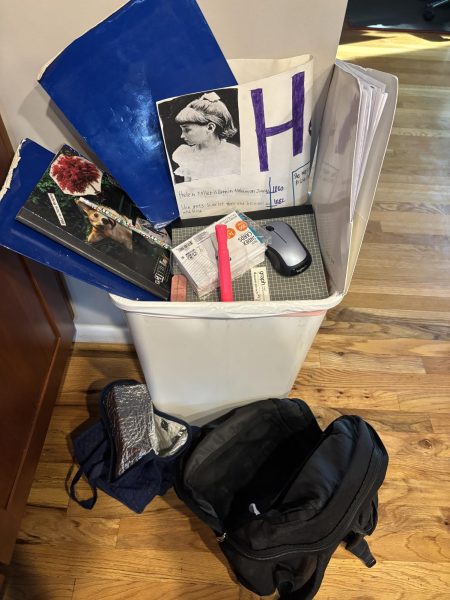
Some students say there was a point when senioritis began to impact them, and they have not been able to turn back since.
“The senioritis really started at the beginning of the second semester,” said Jaime Garcia (‘26). “It kind of just progressed from maybe putting in a little less effort to trying to talk to teachers about getting out of doing certain assignments.”
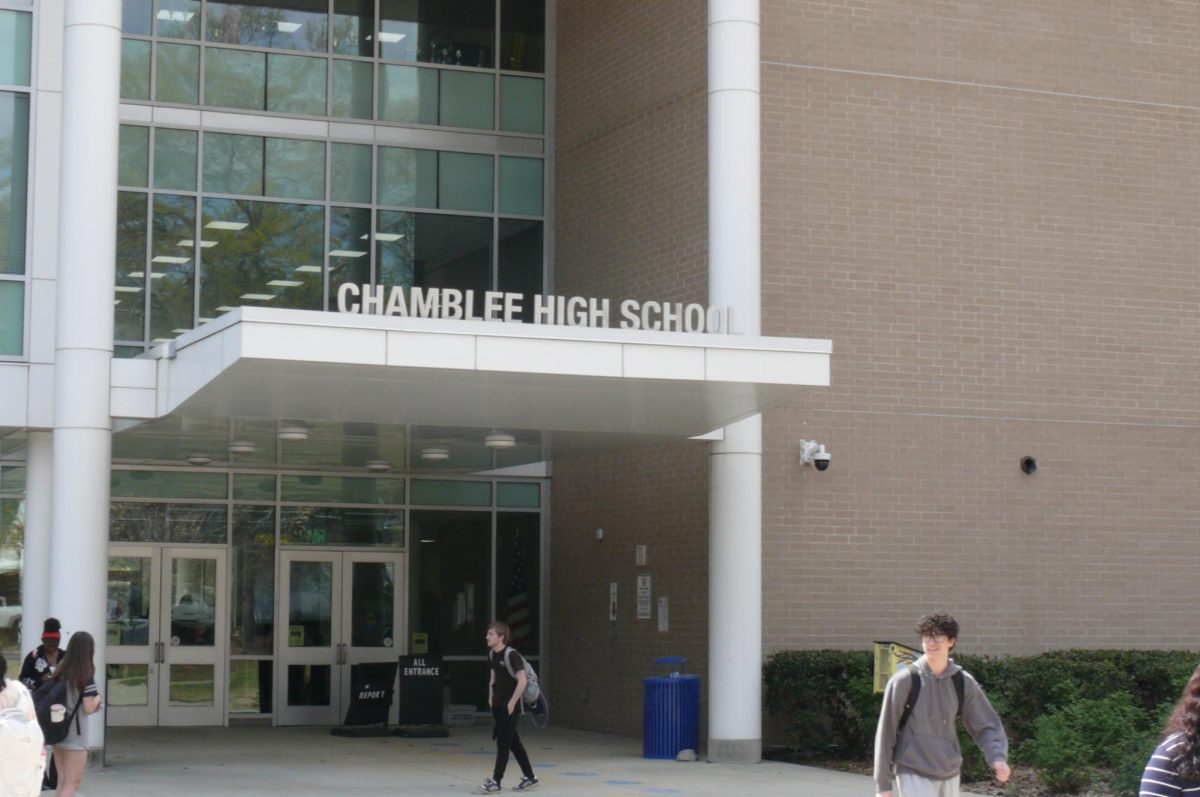
Chamblee teachers have become accustomed to this affliction, seeing students perform below their full potential.
“Senioritis is an affliction where every spring, seniors see the finish line and stop feeling as motivated to come to school and get their work done,” said Ms. Gabriel Gross. “Students will take more sick days or come half-prepared for class. Sometimes I hear things like, ‘I’m already in college; I don’t need to work anymore.’”
Some students recognize that there could be possible improvements in the classroom to help combat senioritis or make it more manageable.
“I think that teachers should recognize that [senioritis] happens to a lot of students, and that there should be a plan in mind for these seniors, so they can get back on track,” said Garcia. “I think teachers should cool down their assignments in the second semester.”
Even though many students hope for a slower second semester, some teachers disagree and want students just to finish out the little school year they have left.
“Students should not think that there should be a drop-off in work,” said Gross. “The expectations are the same. Even if you are not quite ready to meet them, you still need to have the same expectations.”