As technology advances in leaps and bounds, the once-futuristic idea of self-driving cars has become a reality in recent years. Companies such as Waymo have been dispatching autonomous taxis in cities worldwide, including Atlanta, and major car brands have begun incorporating their own self-driving options into newer vehicles. Software such as Ford BlueCruise and Tesla’s Full Self-Driving can help drivers take breaks in their cars, though some consumers wonder if these technologies are safe, let alone safer than human drivers. According to Bloomberg, “[Autonomous vehicles] will not drive drunk, high or fatigued. They will not become distracted while fiddling with their phones. On the other hand, self-driven cars make mistakes that humans would not, such as plowing into flood water or driving through an active crime scene.” Despite this, however, students and their families do make use of the sci-fi-esque tools embedded in these vehicles.
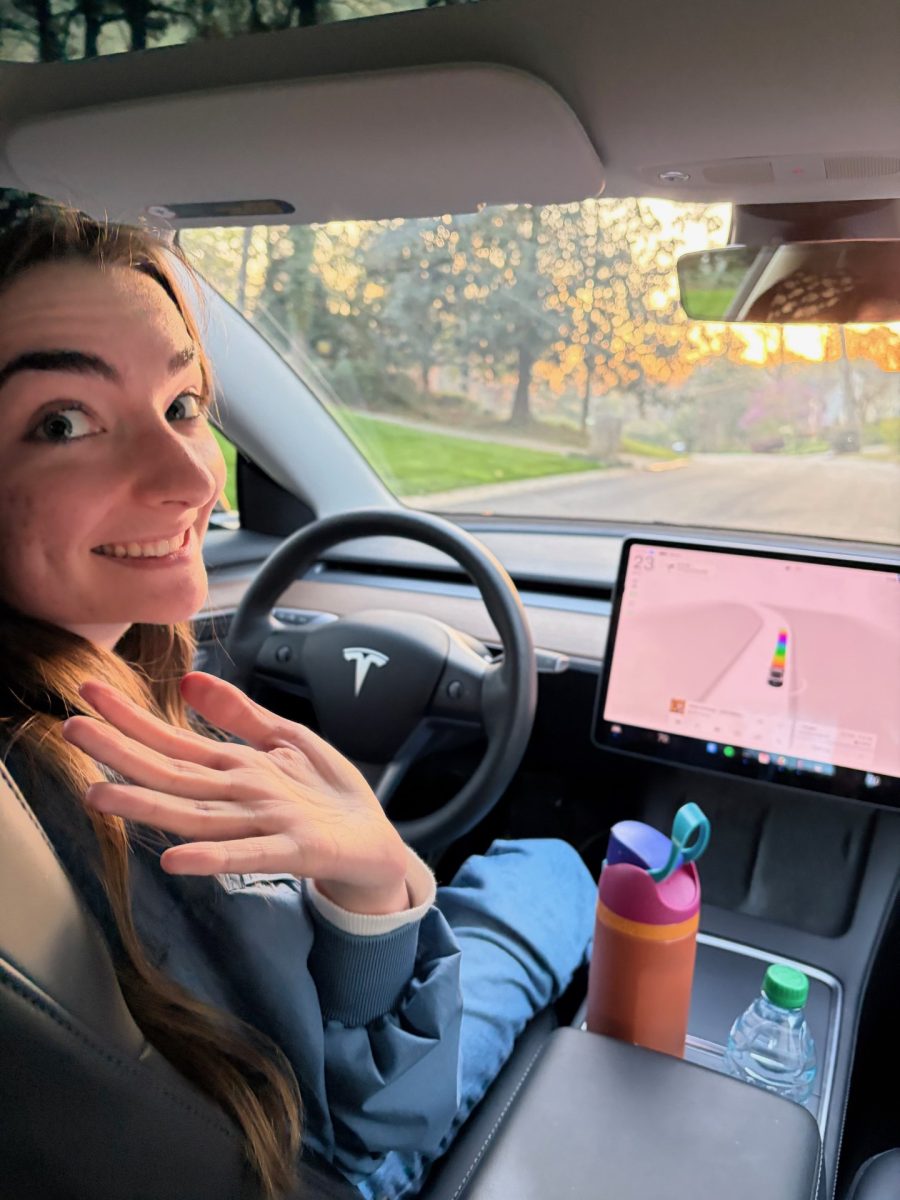
“I used the capabilities to park my Tesla… I just walked out to the store, had it park, and then when I came out, I made the car come to me,” said Hang Sum (‘26).
Other students are skeptical of the technology, but feel secure enough to test out their self-driving car on the interstate.
We used [the self-driving capabilities] to drive on the highway, which I felt more comfortable with than on a normal road, since the driving is more straightforward [on a highway],” said Talon Stoisin (‘28).
Most car brands with self-driving systems aren’t meant to be fully autonomous, but are designed to greatly assist the driver to the point where it takes little effort to drive. According to ISeeCars, the latest technology in automobiles can “deliver automated-driving experiences – for a limited time under very specific circumstances.”
Self-driving vehicles, such as Waymo taxis, are sometimes controversial but do have multiple benefits. One way is to make the lives of the elderly more convenient.
“They can be helpful for old and disabled people, because it allows them to drive by themselves, and that makes it easier for their family members, because then [the family members] don’t have to drive them around,” said Harrison.
The introduction of self-driving vehicles could also have a large impact on the job market, as millions of people work in the rideshare service. However, according to the National Library of Medicine, Automated Vehicles (AVs) can affect jobs other than driving as well: “In terms of job losses… numerous employment categories were nominated as being especially vulnerable to replacement by AVs in the shorter term.”
Despite these benefits, there is still skepticism among students about AVs. Some worry that human error in the programming and on the roads could turn self-driving cars into a problem.
“I know that people can drive recklessly and not follow the laws of the road which I think could mess up an AV’s programming,” said Harrison. “[The AI] might see something that’s abnormal and then start freaking out.”
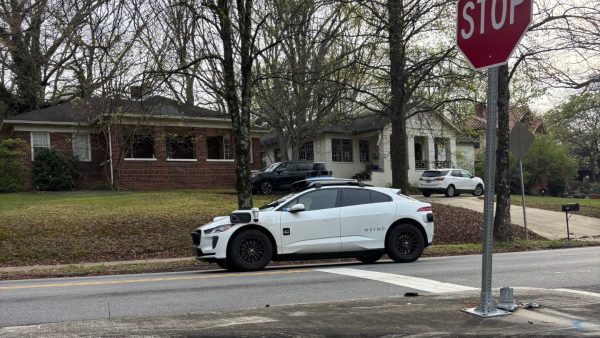
According to Forbes, Waymo has around three thousand cars in operation worldwide, monitored by about seventy people at any given time. That’s about one person for every forty-one cars, and this gives some students more confidence in the AVs.
“I think that’s better than fully leaving it up to a system, especially if these people are getting training on how to do it,” said Heffernan.
Many people are skeptical being on the roads with these self-driving vehicles. These public opinions are being largely reflected in legislation, namely in the state of California. According to CNBC, “A California administrative law judge has ruled that Tesla’s marketing around its ‘Autopilot’ and ‘Full Self-Driving’ systems was deceptive.” This comes after Tesla’s advertising campaign promoted the self-driving capabilities under the name Full Self-Driving (FSD), but because so many people were anxious about these vehicles and their abilities, Tesla changed the name of the software to Full Self-Driving (Supervised). The company hoped this change would ease the public’s minds on the AVs, ensuring to them that a driver would still need to be present and alert in the car even while on self-driving mode.
Self-driving vehicles are becoming more and more common, and though it may be the future of life on the roads, several Chamblee students agree that AVs still have a little ways to go in ensuring total safety of passengers and pedestrians.