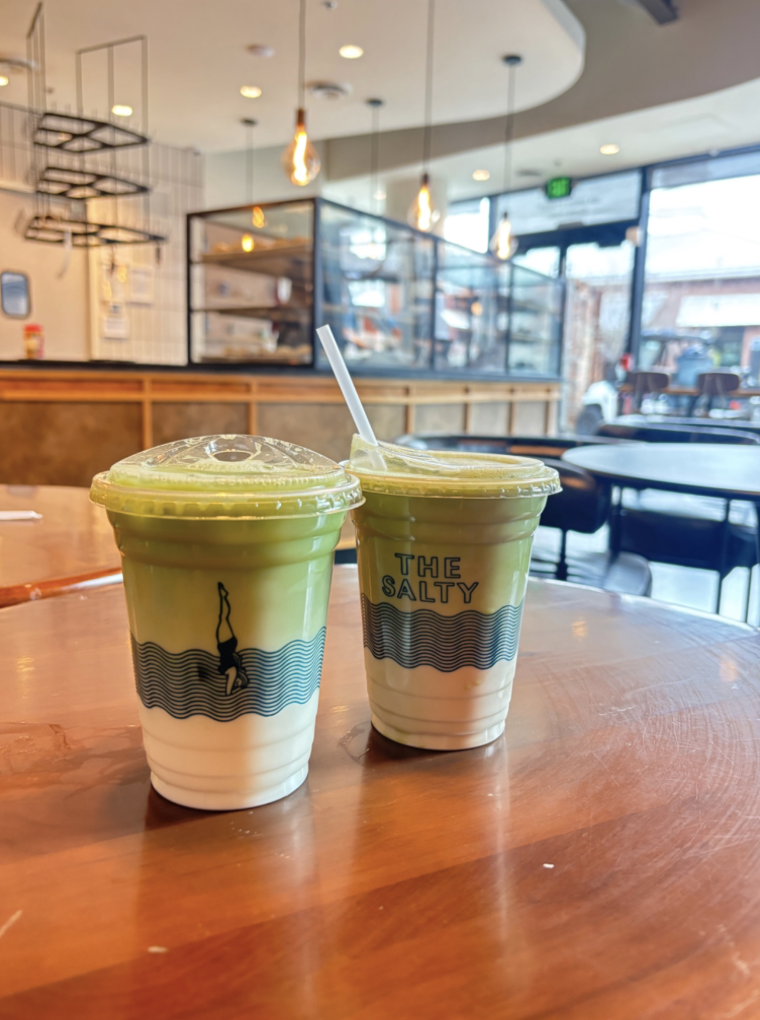
In about seventh grade, I first heard about matcha lattes from a friend, and I decided to try one from Starbucks for the first time. After the first sip, I immediately threw the drink away because I thought it was so terrible. Fast forward two years when I decided to try the drink again, and something clicked in my brain. Now, I can’t seem to go more than a day without drinking a matcha latte.
Matcha comes from shaded tea leaves grown in different regions of Japan; it is then ground into a powder to be used in culinary settings. From here, making the matcha latte involves turning the powder into a concentrate and pouring it over milk. There are even special tools required to properly make a matcha; this includes a bamboo whisk, a strainer, and a particular bowl shape. Whenever I make a matcha at home, I first soak my whisk in warm water to prevent it from breaking, then I measure out one teaspoon of matcha powder and pour it over the strainer to prevent clumping. Next, I pour about two tablespoons of warm water in the powder and whisk it to form a paste-like consistency. After this, I add about four more tablespoons of water and whisk it for about one minute until a microfoam forms. To finish, I’ll pour this over a cup of almond milk and ice with maple syrup.
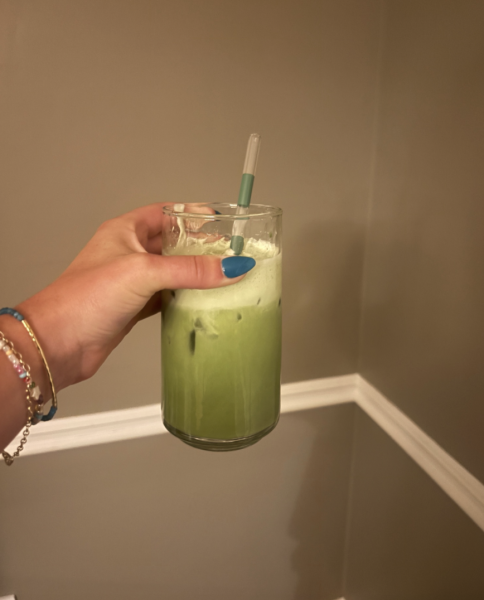
I personally prefer making a homemade matcha latte over buying one out because I find that I usually don’t like them nearly as much. From everything I’ve learned thus far, coffee shops tend to be hit or miss with a quality matcha latte. Many places tend to pre-sweeten their lattes; this minimizes the flavor of the tea and usually becomes too sweet to drink. On the other hand, some places don’t include enough flavor at all. I’ve had many matcha lattes that simply taste like milk, indicating both that the matcha powder is a lower quality, and there was no sweetener flavoring added.
However, I do have a few places I will go when I am out and about craving a matcha. My favorite matcha latte and coffee shop of all time is called Valor Coffee. Their matcha is very different from others I’ve tried, I think the housemade syrups definitely take the drink to another level, and I look forward to it any time I get to go. I also love Sidecar Coffee. Their matcha concentrate is premade, making its flavor taste slightly fake, but I still would rate this highly. Other than that, I have yet to find a nearby coffee shop selling a top-tier matcha latte.
Overall, the key to making the very best matcha latte is to learn the skills to make one at home. I think the best way to succeed is to watch YouTube tutorials to see how different people make their lattes. Doing your own research on the highest quality powders and testing out different ratios is the best way to make a matcha latte you will love.