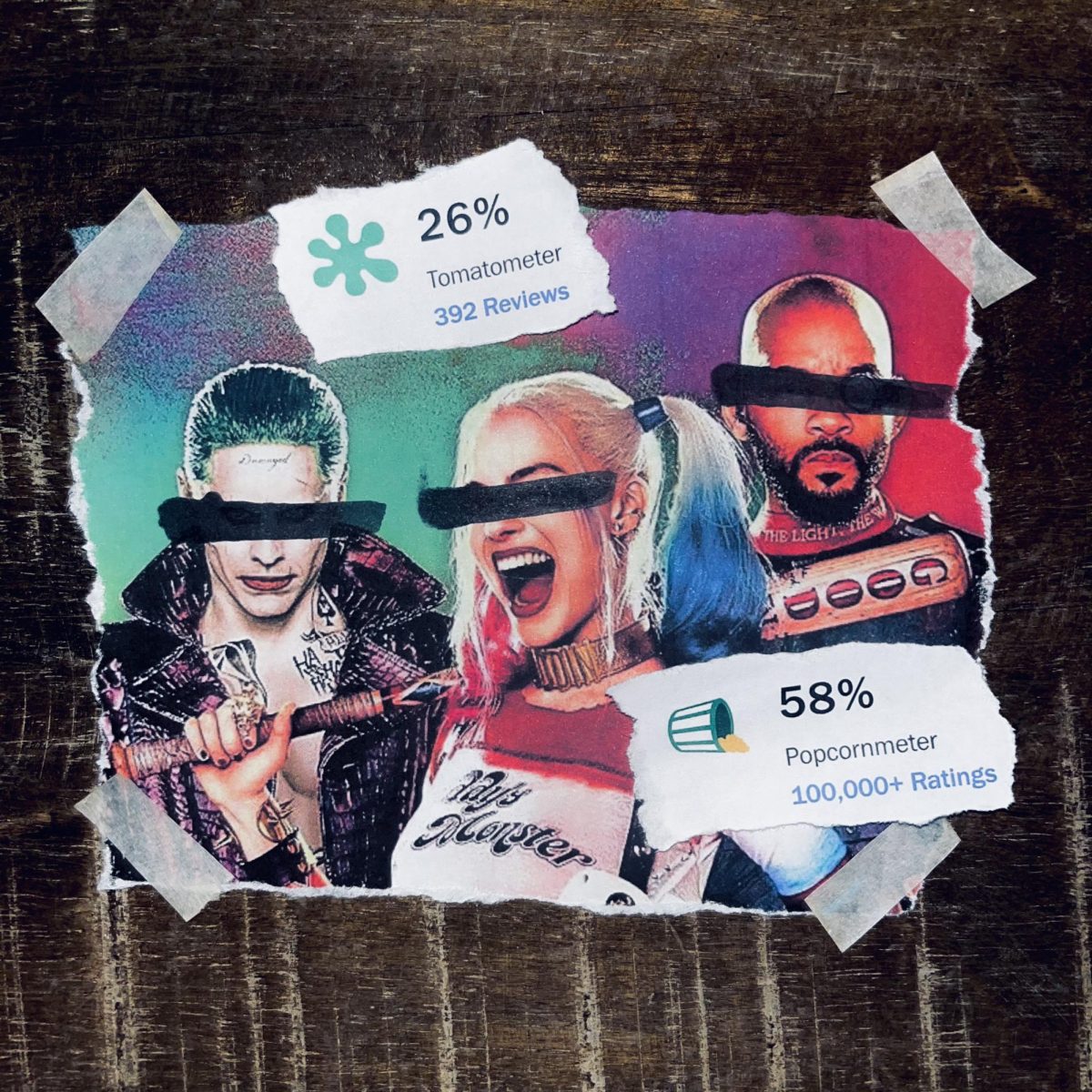
It’s no secret that DCEU’s Suicide Squad from 2016 is a terrible movie, with just a 26% on Rotten Tomatoes. However, the film that most of us saw was completely different than what director David Ayer had in mind. The film’s failure can, for the most part, be blamed on the significant interference from Warner Bros. themselves. But how did such a promising movie with a capable cast and director turn into such a disaster?
After the success of Man of Steel, DC began production on multiple films to expand its universe. Among them was Suicide Squad, which would be written and directed by David Ayer, who had already made a name for himself from writing Training Day and directing Fury. Some could argue that the film’s production was doomed from the start, as Ayer’s original script featured the powerful god Steppenwolf as the villain. However, after Steppenwolf was chosen as the villain for the upcoming Justice League movie, Ayer was given only six weeks to rewrite his script, as the film’s release date couldn’t change.
Aside from some crazy method acting tactics by Jared Leto, filming for the movie went relatively well. After the film’s Comic-Con preview was leaked online, Warner Bros. decided to officially release the HD version of the trailer. It was dark and gritty, and Ayer later said that it nailed the tone of the movie he intended to make. However, once an official trailer was released online months later, the tone felt completely different, much more upbeat and less serious.
So what caused this huge shift in tone between the two cuts of the movie? It really comes down to two things. First, Deadpool was released earlier in the year and was a huge success, mainly for its lighthearted tone. Second, Batman V. Superman was released about a month later and was both critically and commercially a failure. It was criticised for being too dark and somber. After realizing that Ayer’s cut of Suicide Squad was tonally very similar, Warner Bros. grew worried and hired a third-party company to re-edit the film to replicate the tone of films like Guardians of the Galaxy and Deadpool, which had proven to appeal to audiences.
The studio then decided to pit the two versions of the film against each other, screen-testing both Ayer’s original cut and their newly edited cut. The two cuts tested roughly the same, and audiences pointed out that they liked and disliked different parts of both films. Instead of allowing Ayer to decide which cut to release theatrically, or even picking one themselves, the studio decided to mash together the parts of both films that audiences liked, creating a convoluted mess, and then reshot some scenes to turn Ayer’s dark drama into a lighthearted comedy, following Deadpool’s success, all against the director’s will.
The failure of Suicide Squad leads to a larger question that has plagued Hollywood for years: Should directors have complete creative control? This question is more complex than you would think. Full creative control is a very romanticized idea, and it doesn’t really exist. There’s really no concrete answer for how much control a director should have. At the end of the day, they’re hired by a studio, and they’re spending the studio’s money, so the studio should obviously be able to step in at times to make sure that directors are correctly handling budgets and schedules. However, much like Suicide Squad, when studios interfere with a production too much, the tone of the movie and the director’s vision are obliterated. Studio interference is 100% necessary for productions, although when they get to a point where they’re prioritizing profit over storytelling, it becomes harmful.
But back to our friend David Ayer. Is there a possibility that we’ll ever get to see his cut of the movie? Unlike the Snyder cut of Justice League, where Zack Snyder was (rightfully) given millions of dollars to reshoot his movie that Joss Whedon ruined (that’s an article for another time), Ayer’s cut of Suicide Squad is already complete and sitting on a computer somewhere. Now that James Gunn is in charge of DC Studios, hope about the release of the Ayer cut is at an all-time high, as Gunn himself said it would “have its time to be shared.” Until then, the theatrical cut should serve as a cautionary tale to studios about the backlash of reshooting and editing a production in fear of financial loss.