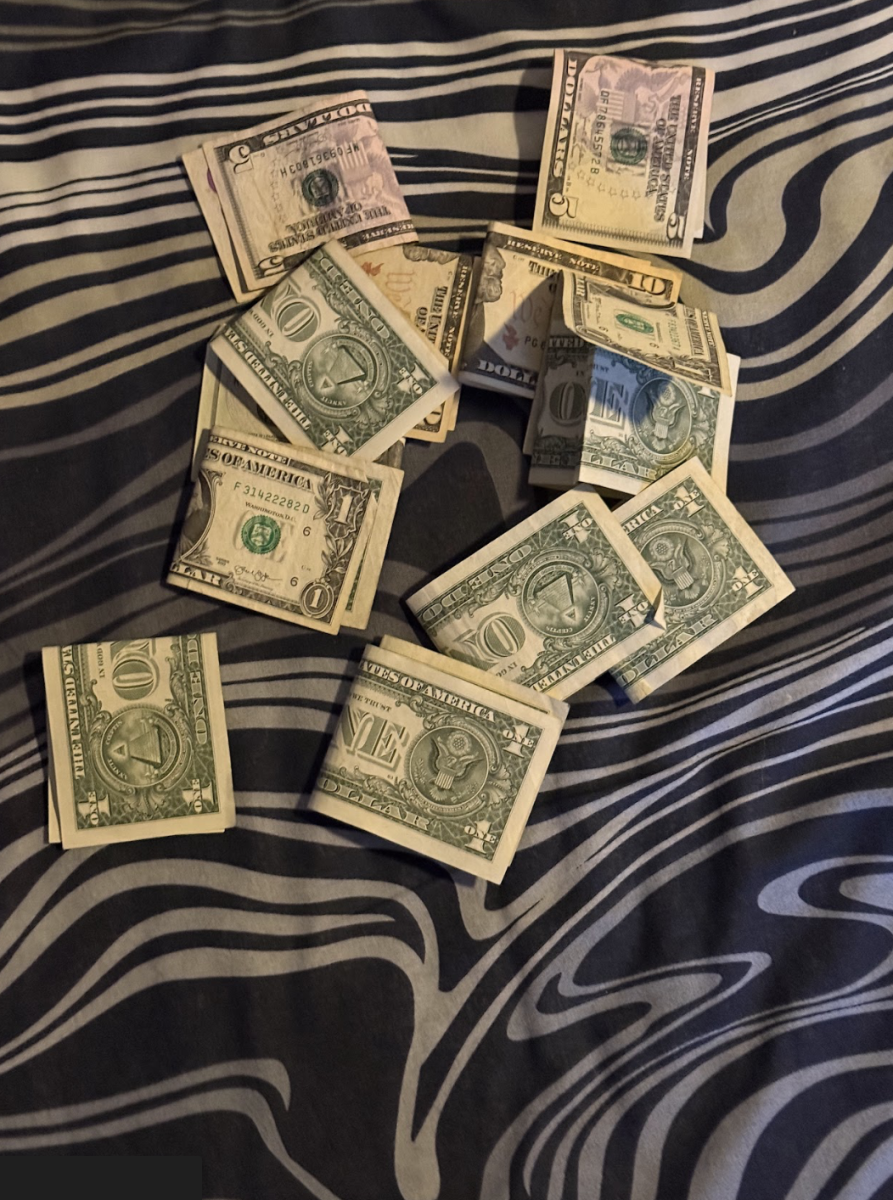
One common phrase a person will hear throughout their lives is that “money isn’t the key to happiness.” For a long time, I didn’t understand why exactly people said this, because after all, I’ve never seen a person with a jetski be unhappy. If money isn’t the key to happiness, then what is? And if money isn’t the key to happiness, can it at least be a factor?
For the last four months, I’ve worked in a restaurant, putting in hours and earning more money than I have ever made before. At first, I was happy to see the direct deposit notification that Friday every two weeks, but after a bit, I started to get a little less joy out of seeing the numbers go up. I had realized that although there was some stuff I always put money into, I never spent much money, and I surely didn’t spend enough to ever see it go below what it was two weeks before.
For me, all it seemed to do at first was relieve stress. I could pay for my gas, I could spot a friend for $20 if they needed it. If something unexpected came up, I could have it covered, and I didn’t have to deal with mental anguish I would’ve had if I was unemployed. Still, I didn’t know what I wanted to do with my money. Besides putting it in a boring investment account and paying for my car, what was I going to do with it?
Having a job while balancing school was still worth it, as even though I couldn’t do as much on the weekends with friends, I was learning a lot, and forming relationships that had already begun to help me professionally. If it couldn’t have been better, I loved the work I was doing, and I loved my coworkers too! But at some point, I started doing things not because I loved to do it, but because I was being paid to.
The real reason people say that money isn’t the key to happiness is because their beliefs and behaviors are primarily shaped by what’s called intrinsic motivators, motivators that come from the body’s drive to be satisfied or its sense of purpose. Money is often viewed as an extrinsic motivator, as it’s needed for people to survive. People often work jobs not because they get satisfaction from it or because it makes them feel like they have a sense of purpose, but because they need money to pay rent, and to eat. For me, I don’t think I see money as an extrinsic motivator, at least not yet. Because I don’t really need money to survive yet, I’ve been able to use it as an intrinsic motivator, by using it to fulfill a sense of purpose, making others happy. The drop in the bank account might be temporary, but the memories I could get by using this could last forever.
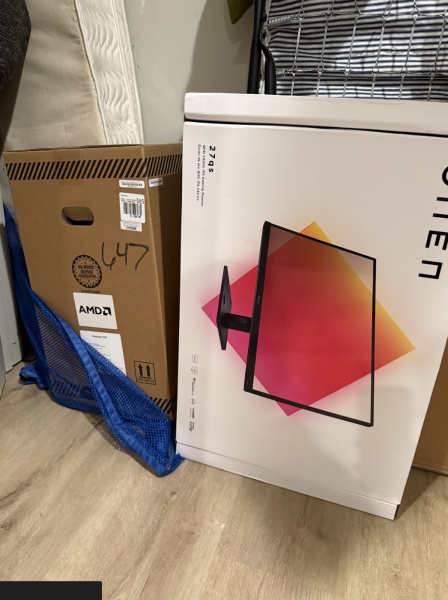
For example, around September, I wanted to go to a concert with a friend. If I hadn’t had the money for it by working, I wouldn’t have been able to buy the tickets for us. The concert ended up being awesome, and I made some memories I don’t think I’ll forget for a long time. I was able to save up and buy a really sweet gaming PC as a surprise Christmas gift for my little brother. I’m able to go out and get fast food now, just because I can.
I thought that if I was to ask someone, “If money isn’t the key to happiness, then what is?” they’d probably answer me with, “Well of course, it’s your relationships that are the key to happiness!” I’m not going to disagree, but I wanted to consider other things as well. If relationships are the key to happiness opposed to money, but money could be used to strengthen relationships (ex. buying gifts for someone), then it would be clear that money does play a role in making people happy. For me, I had always loved it when I was able to make other people happier, so being able to do that with money I earn makes me happy, so by that logic, couldn’t money be the key to my happiness?
So is money the key to happiness? I think the answer is still technically no. For me, this is because I can’t buy a relationship. I can’t buy another brother, I can’t buy myself new parents, and while I could probably end up paying for someone to be my friend, I don’t think that’d work out in the long run. However, I think if anything, money could be used to strengthen relationships. Whether buying a gift for a parent or going to a concert with a friend, if the experience is something that brings people closer, then maybe the money that made that experience possible is an important part of being happier.