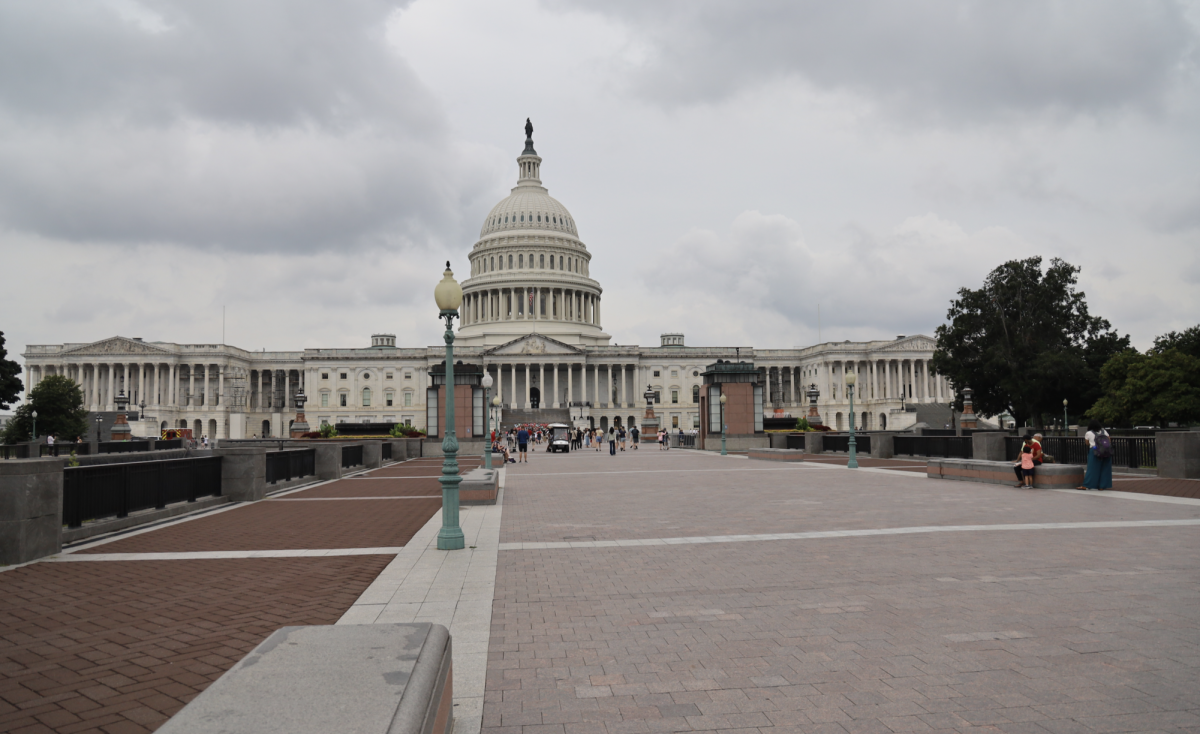
From October 1st to November 12th, the United States Government was in a shutdown. This went on for 43 days, making it the longest government shutdown in US history.
Shutdowns of the operations of the US Government are caused by budget disagreements in Congress. At the beginning of each fiscal year, Congress is tasked with creating a budget for the Federal Government. If no proposed budget is approved by the majority of the House and Senate by the time that the previous year’s budget expires, the government goes into shutdown since money has not been allocated to pay federal employees and finance federal programs.
“Pretty much everyone in the military, TSA, or anything like that is not getting paid for any of their work,” said Veronica Warner (‘27). “If they were to stop going to work because they’re not getting paid, then a lot of things would be affected.”
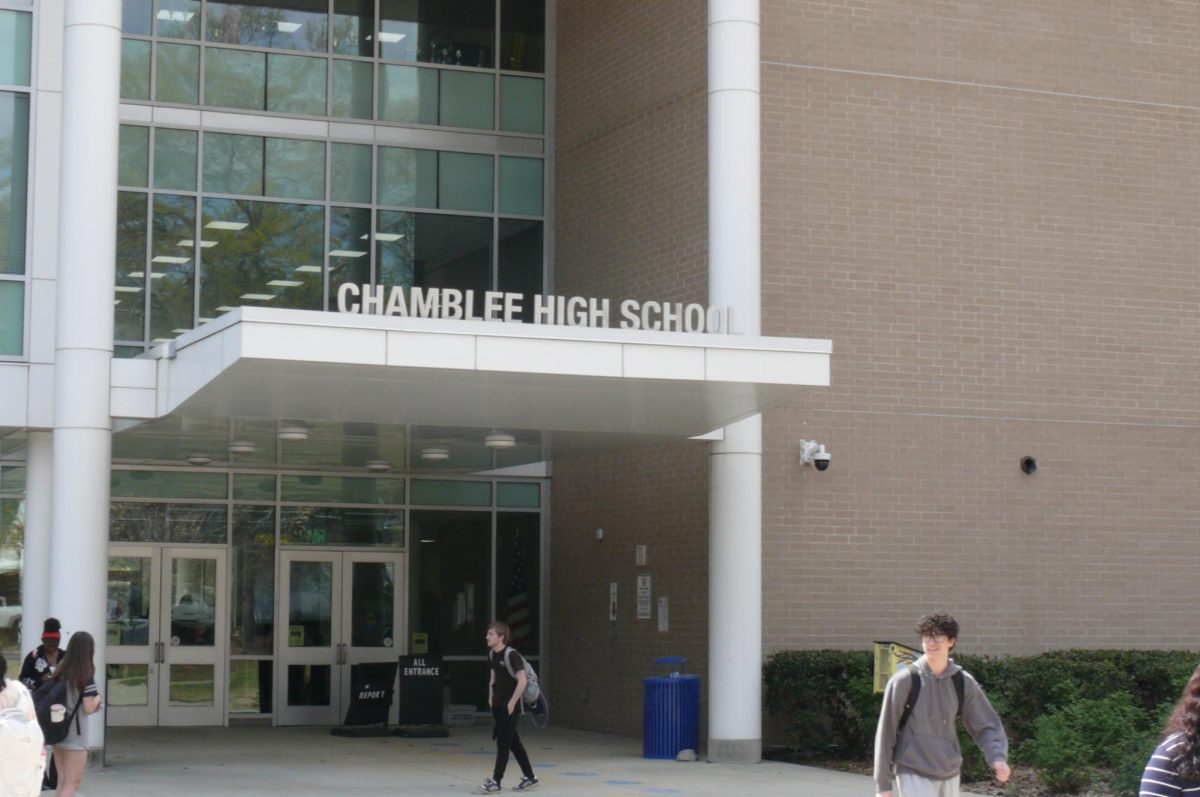
The lack of pay for those at some government jobs personally affects some students at Chamblee High School.
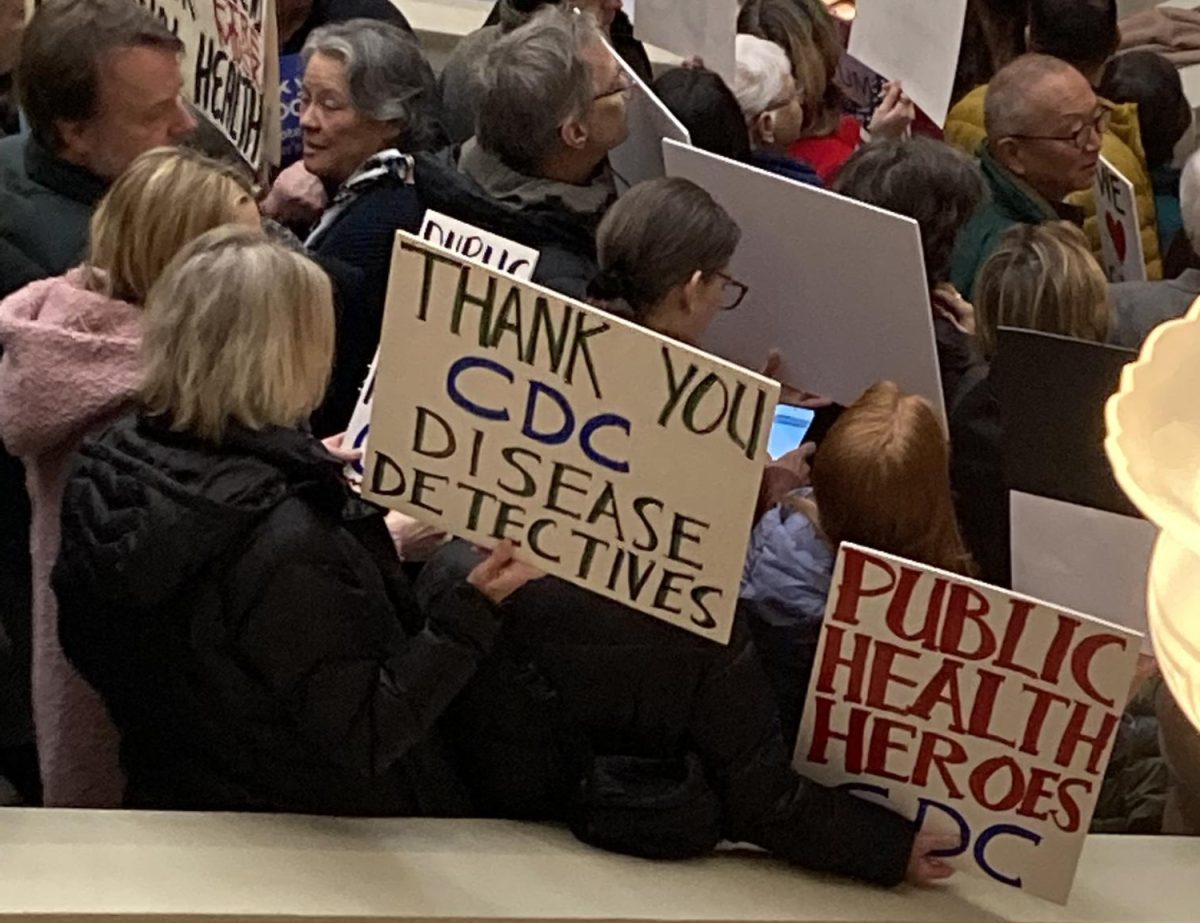
“My mother works at the CDC. She pulls up like once a week and they don’t even pay her because she’s on furlough,” said Peter Lipatov (‘26). “We had to start taking some money out of the savings account. She’s scared every day that she might lose her job. However, there’s this court case that doesn’t allow them to fire you while you’re on furlough.”
Due to the cut pay from the shutdown, many government employees have been furloughed, meaning suspended without pay, resulting in financial stress for some.
“A lot of my neighbors work at the CDC, and they’re furloughed, so they’re working without pay,” said Samuel Lindsey (‘29).
When the government is shut down, not only do many federal employees have to work without pay, federally funded programs can be at risk of losing money.
“There are some agencies that have emergency money, but I think I’m just really worried about food stamps specifically,” said Lindsey. “There’s a bunch of other agencies like the National Parks that are understaffed. A lot of government agencies are either really understaffed or just not doing anything at all.”
The causes of this government shutdown have been widely debated; many have varying viewpoints on the cause of this conflict.
“Political strife between both sides of the political spectrum and just dysfunction caused the shutdown,” said Lipatov. “I feel like both sides of the government are too petty and don’t care enough to do anything.”
Increasing separation between the beliefs of political parties, known as partisanship, has been cited by some as a cause of the shutdown.
“Democrats and Republicans can’t agree,” said Braden Sokolowski (‘29). “They don’t like to agree on anything, and nobody really votes for the same thing in Congress anymore. It’s becoming more partisan.”
Other Chamblee Students attribute the shutdown to the Trump administration in addition to partisanship.
“The government shutdown happened because the Republicans and Democrats couldn’t agree on [the budget],” said Warner. “The Democrats did a lot to try to fix it, and Trump just wouldn’t do anything. He’s trying to take advantage of this shutdown.”
Kristy Noem, the Secretary of Homeland Security, was recently the focus of a video shown in airports across the country where she states that “democrats in Congress refuse to fund the federal government.” This video is not free from controversy; some airports have refused to show the video in an effort to avoid taking partisan sides.
“I saw the video, and it was talking about how it’s all the Democrat’s fault,” said Lindsey. “That’s just propaganda.”
In addition to the TSA video, some government websites (including the US Department of the Treasury and the US Department of State) display a banner at the top attributing the government shutdown to the democratic party.
“I think these banners are largely accurate,” said Diego Vasquez (‘26). “I think the original plan before the shutdown was to pass a CER bill to fund the government for up until around January. That way, the democrats would get the funding to have the negotiation on healthcare. Then, the government shut down, and the democrats realized it was advantageous. Then, they kept it going. Now it’s going to be reopened again. The Democrats, as the minority party, make it or break it since they need 60 votes.”
Other students disagree with the idea of attributing the shutdown to one party in particular.
“Blaming one whole party for the faults of the government seems a bit childish when they could actually instead be putting in the energy to fix the shutdown together,” said Lucy Dillon (‘28).
The government shutdown ended on November 12th, with the passing of a bipartisan bill that extended funding for the government until January 30th. This means that the next chance for a government shutdown will be then.
“I feel like for the future,” said Lindsey, “we should emphasize reducing the debt deficit or passing some kind of legislation that would encourage a quicker end to the shutdown instead of just spending more and more money.”