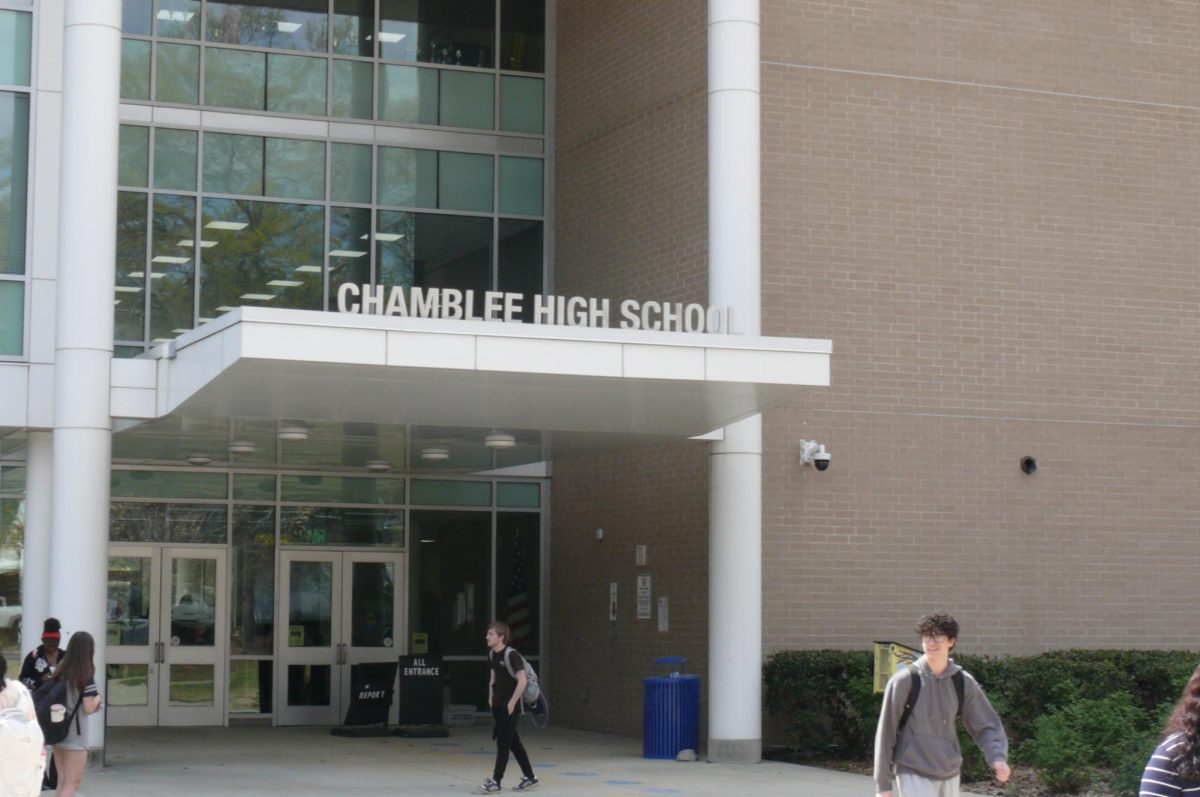
The court system is a topic many students learn about in school, but many never expect to hear about their own district being involved in a case. It has recently been brought to many people’s attention that the DeKalb County School District is suing Meta, TikTok, Snapchat, and YouTube for the “unprecedented mental health crisis” the county claims these platforms have caused.
Students’ focus and mental health are at the center of this case, as DeKalb County is claiming many of these companies have been found to cause long-term issues for both students and classrooms.
According to CBS News, “[DeKalb County] accuses the companies of ‘deliberately designing addictive features to capture and exploit children’s attention,’ a design decision that local districts say has drained school resources, disrupted classrooms, and worsened student anxiety and depression.”
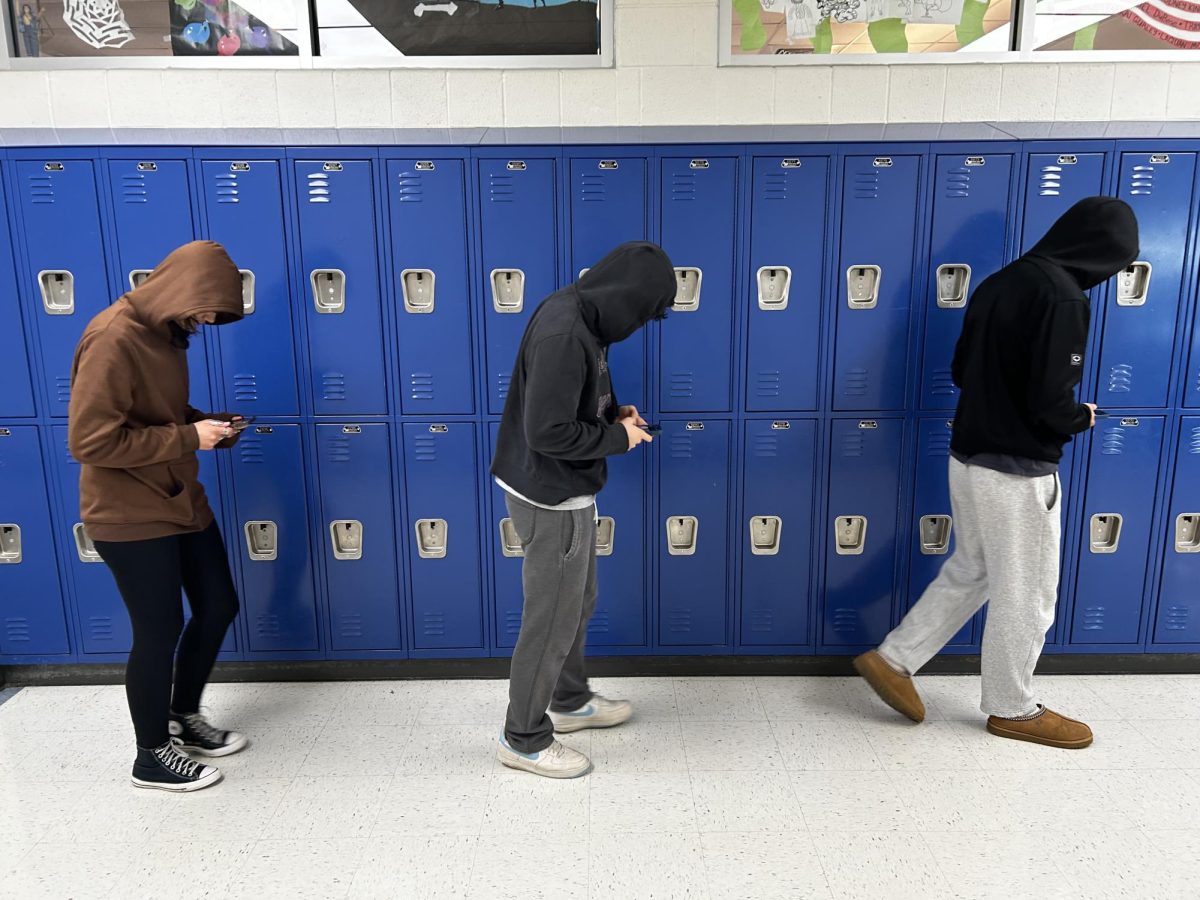
DeKalb County has established various initiatives this past year, such as the district-wide K-12 phone ban, but before these measures were implemented, teachers at CHS like Algebra and Geometry teacher Ms. Bailey Kirk reported that they’d seen social media disrupt their classes.
“In the past, [I saw students distracted by social media],” said Ms. Kirk. “School wasn’t as important [to students in my classes] as seeing what someone wore on Instagram.”
Social media’s interference inside of classrooms provided the fuel DeKalb County needed to sue the large social media companies.
“According to court documents, the DeKalb County School District reported its students are dealing with mental health impacts, and the district wants social media companies to pay up,” wrote 11 Alive. “‘Both in terms of hard cost dollars spent but also in terms of lost time that teachers and administration should be focused and be able to educate students, not constantly fight because students are addicted to social media,’ [Davis] Vaughn [an attorney for the DeKalb County school district] said, adding the district already spent ‘millions’ trying to fix the social media problem in schools.”
Not only has this problem been noticed in schools across DeKalb County, social media has disrupted learning in many districts around the country.
According to WSB-TV, “DeKalb County is one of more than 1,000 school districts suing the social media giants.”
Lillian Mueller (‘29) explained how being a part of a larger community suing these companies was the best decision they could make.
“Since all the social media apps are so powerful throughout the entire world, working with a bunch of different counties is more powerful because it’s speaking for multiple districts and multiple counties that are affected,” said Mueller. “It’s the power of the people instead of the power of one person.”
Although the platforms themselves are being targeted in this case, social media is made up of users, making them, as Mueller commented on, the issue.
“Social media is definitely an amplification of people. [Users can] hide behind screens and amplify their feelings which are a lot of times negative [towards others]. So, I think it is partially the social media outlet’s fault, but I think it’s also an individual’s fault,” said Mueller. “Individual people create these negative situations where they’re bullying people online.”
Ms. Kirk agreed, and she expressed how she has seen social media harm rather than help high school students.
“[Social media] has put a lot more pressure on [students] to be something that they’re not, or they’re too young to be. It’s forcing them to grow up, exposing them to things that they don’t need to see yet, and also… exposing them to things that aren’t even real,” said Ms. Kirk.
While DeKalb is blaming social media platforms for this crisis on mental health, students like Sadie Thomson (‘28) explained how they don’t believe mental health issues are the entire fault of social media apps.
“I feel like a social media platform can’t be the determining factor on whether or not someone has mental health issues,” said Thomson. “It may worsen [someone’s mental health], but it’s not going to necessarily cause [issues].”
Hadley Weaver (‘28) elaborated on how social media platforms can be good or bad in a school setting, depending on how one uses them. Often, the Chamblee-affiliated Instagram accounts are how students are notified of necessary information such as schedule changes and events.
“Sometimes [social media] distracts me from my schoolwork, but in general, I get to know more about the school from social media,” said Weaver.
Lukas Parker (‘28) proposed ideas to solve this problem that don’t involve suing the companies.
“Mental health can be helped a lot with more counselor presence in the school,” said Parker. “More awareness about these [mental health] issues [would help].”
This case is very complicated, and little is known about what the case fully entails; DeKalb County has provided little in comment. From what is known, this case has opened many students, teachers, and parents’ minds over what role social media plays in schools, if it even does have a place, and how social media is impacting teenagers’ health in the long run.