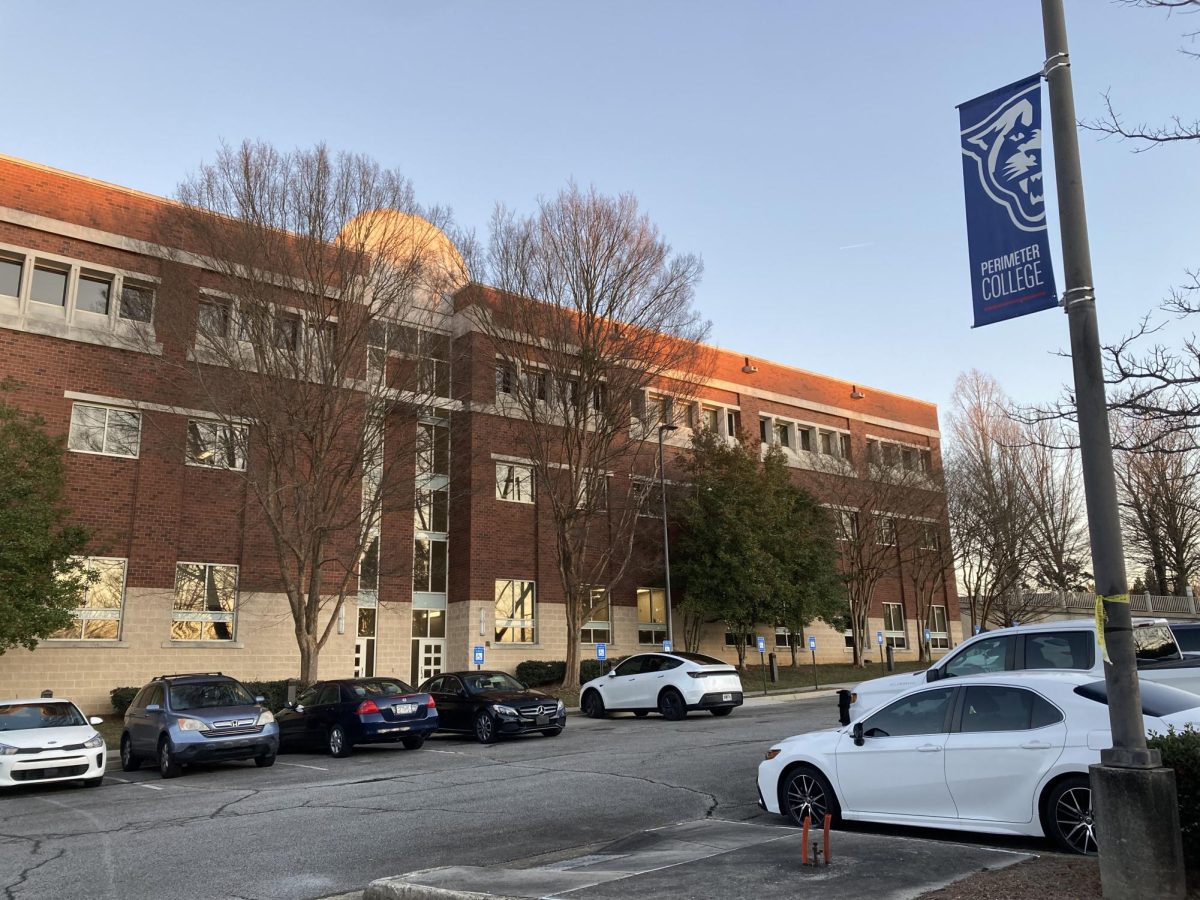
Many students decide to dual-enroll classes at colleges in their junior and senior year. On the surface, there are several benefits: travel time allows you to leave school earlier or arrive later, there are more options for classes than the ones offered at Chamblee High, and you get to earn college credit without having to take AP tests in May.
While these are all true, I believe, there are other effects of dual-enrolling classes that are not as frequently discussed, all of which still warrant consideration.
Firstly, while students may get travel time, they may miss school functions because of this or have to come back to the school and leave again. This year, I have travel time after fifth period, and three days a week, I walk back up to the school during seventh period to attend three clubs. While this isn’t the end of the world for me, it may be more impactful for students who live farther away from the school and may prevent them from doing as many clubs as in previous years. Also, the restrictions of club meeting times also prevented me from taking classes at any time except 6:00 p.m.. Predictably, this limited the classes I could take; in fact, two of the main reasons why I signed up for the class I’m taking now were that it was at 6:00, and there were seats available.
Finally, there’s the choice between taking classes online and asynchronous or in-person. Remembering my experience from seventh grade virtual learning during the pandemic, I quickly made the decision to do in-person, but I know other people who do online classes and enjoy them. Either choice comes with its tradeoffs; I am enjoying seeing and hearing my professor each class, but I do need to get there twice a week.
This isn’t to say you shouldn’t do dual enrollment. I have actually liked the teachers and the classes for both of the courses I’ve taken. I am merely suggesting you think carefully about both the advantages and disadvantages to make sure dual enrollment is the right choice for you.