Genres have been a tool used to describe and label music for centuries. Most genres categorize music based off of songwriting, production, and overall sound of the music. For example, the pop genre is notoriously upbeat, colorful music with catchy lyrics, found in modern artists such as Taylor Swift, Sabrina Carpenter, and Katy Perry. Throughout the lifetime of music and the music industry, genres have budded into millions of sub-categories. Now, pop is considered to be an umbrella term, carrying sub-genres such as soft pop, dream pop, and bedroom pop. In the midst of the never-ending creation of new genres, one has stood out from the rest: indie. Coined in the early 80’s as part of the DIY movement, indie is a genre that’s hard to describe without referencing other genres; nonetheless, it quickly became popularized within the 21st century. However, because of indie’s undefined identity, there are little boundaries that make something indie. Artists ranging from Sombr to The Killers to Phoebe Bridgers have been coined as indie, which makes the genre seem almost too vague.
When indie was originally coined, the term was used to describe independent bands or artists that weren’t backed by labels. Because of this, indie never really had a signature sound. Although most artists who considered themselves indie took inspiration from musicians such as The Killers and The Strokes, the term was built for a plethora of genres from punk to pop. At first, indie was used to unify independent bands, proving that you don’t need a label to become something big. However, as many of the indie-identifying artists eventually became signed, they didn’t drop the indie name tag, and the term popularized into a genre. Big labels within the music industry saw the pattern, and decided to capitalize off of the misinterpreted indie craze, slapping the word onto any song they released. Industry plants and nepotism artists would have “indie” written in their Spotify bios, and anytime the word was on someone’s lips, people would immediately associate it to millionaire artists with sold-out stadium tours. The term was no longer a niche that brought together underdogs; it was an ear-catching buzzword used to farm listeners.
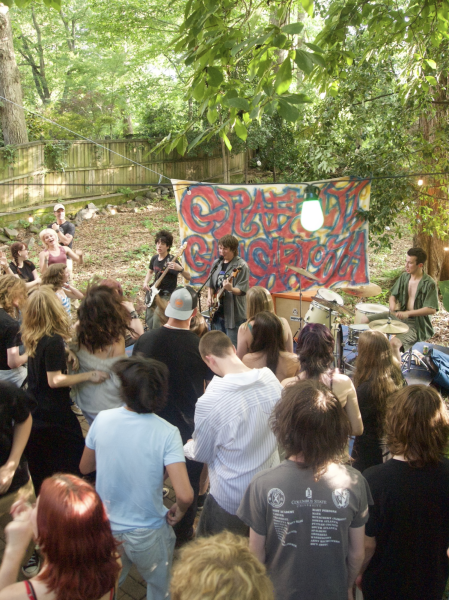
Now that indie has lost its original definition, what is the meaning now? Since the popularization of the genre, people have been trying to define the word and associate it with a certain sound. If jazz is brassy and vibrant, rock is unapologetic and loud, and every genre since indie has had a recognizable noise, what does indie get? For years, people have tried to define it. But there is no signature sound. At least, there’s not supposed to be. Because the genre was built from a state of independence and not a type of music, indie cannot have a certain sound. Sure, many artists who consider themselves indie now can sound the same. The best way to try to describe those artists are rock instrumentals and pop vocals, but wouldn’t that just be pop-rock, a subgenre that has existed far before indie? Anytime a definition for the genre is to be mustered up, a wall is hit with a pre-existing genre. Therefore, it’s time to stop trying to define indie and admit that it was never a true genre to begin with, just a label to unite independent, underground artists.