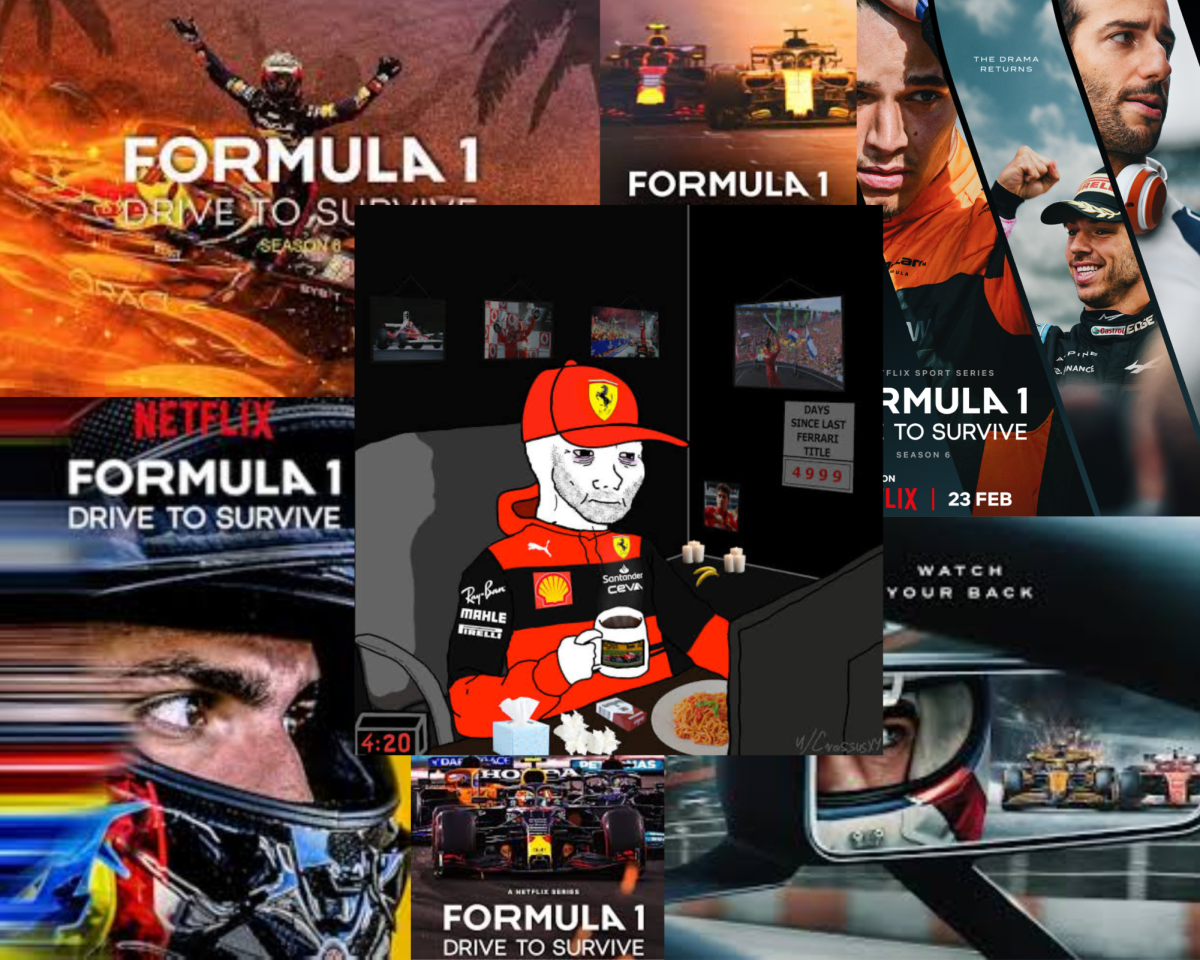
The eighth season of Drive to Survive recently came out, so I figured I would give my thoughts on the rise of DTS. Drive to Survive took the documentary world by storm when it exploded in popularity during the COVID times, and continues to be on a viewership rise going into its eighth season. It is a sports docu-series about the most recent Formula 1 season, and features interviews, behind-the-scenes, and (often) never-before-seen content about contracts, drama, and emotions. Each year since 2019, the Netflix show has followed the current season, then compiled it all into a 10-episode season for fans and others alike. With the introduction of the sport to such a diverse platform and audience as Netflix, the show has also brought some… interesting aspects to the sport. Drivers must be aware that every word and action they take could be captured by a camera, and fans of the show who may not be as invested in REAL F1 fans can have incomplete or outright wrong opinions. Since data from Black Book Motorsport shows that around 26% percent of Drive to Survive viewers have no interest in the actual sport, this influx of uninterested fans has only increased the disapproval from dedicated fanbases.
While DTS has its upsides, it also notably ignores common sense and the natural occurrence of events in favor of a more quick-paced and intense atmosphere. This makes some sense, since the show has to fit all of that action into a time frame, but come on, no one’s talking about tire wear issues on turn 1, lap 1. This is a glaring example of one of the big problems with the show: the in-race radio messages and commentary are often spliced in. Placing radio messages in spots where they were not used can help Netflix create a more dramatic storyline and give the show some conflict that doesn’t exist. This makes finding context confusing and gives a misleading interpretation of how an actual race might go, possibly exploiting the show’s less dedicated fans. While I understand that DTS has its own restraints, letting the viewer just watch the race start with commentary instead of radio messages that happen 20 minutes later IRL would make it more realistic and more appealing to the people who are already fans of the sport.
The other major problem with the series is common across some docu-series and reality tv shows: manufactured drama. It’s really inevitable in TV shows such as this, but it can cause DTS fans (people who understand Formula 1 through the Netflix show) to believe that certain drivers have beef, for example, when it isn’t nearly as deep as it seems. Another thing that the show brings up quite often is the media. Nothing is funnier to me than Will Buxton saying that starting in first place is the best place to start (season 4), or Danica Patrick saying that the drivers use their hands (season 6), but they do still add a little bit to the environment of the show.
That’s not to say it’s all bad; the show offers some interesting insights into the drivers’ lives that we may not see otherwise. We get to see moments in the lives of drivers, interviews in reaction to events in races, and conversations in the paddock. The only reason I personally watch the show is to see how my favorite drivers think the season is going, because I know that some of the drama is fabricated. Plus, many fans have already seen most of the races, and so this particular aspect of the series is not all too important to the more dedicated among them. If you don’t watch F1, this show is great for you; however, for the fans of the sport, it can be quite infuriating. Will I still watch the new season? Yes. But I’m here to watch Ollie Bearman, not for the show itself. It’s great for gaining a new audience, but it will continue to lose the fans that it helped create. Because of all of this, it isn’t a great show for the more dedicated fans, 5-second penalty for Ocon.